










































Learning Must Go On: Recommendations for Keeping Children Safe and Learning, During and After the COVID-19 Crisis
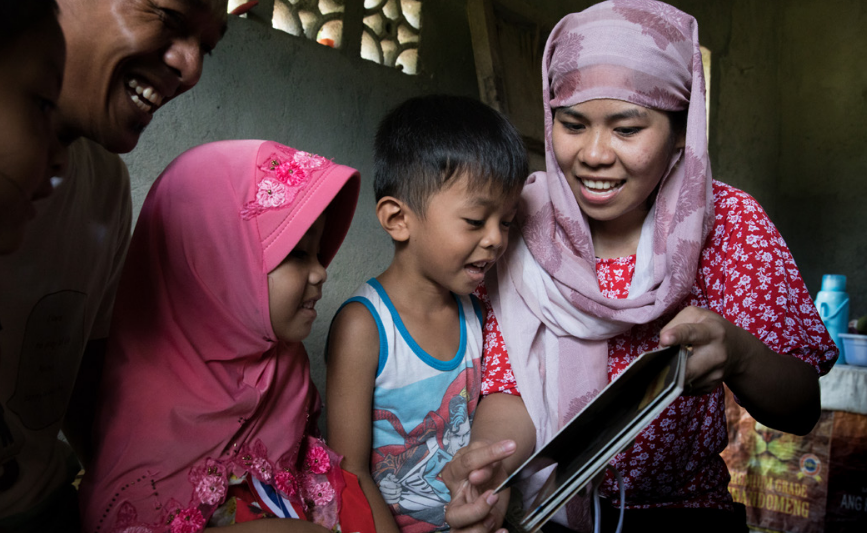
Sustainable Development Goal 4 (SDG4) commits the global community to realising the right to quality education for all children and adolescents by 2030. Yet, as of early April 2020, nearly 91% of the world's student population were impacted by early childhood care, school, and university closures related to the COVID-19 pandemic. This inter-agency brief highlights some of the potential impacts of these school closures, with a focus on the most marginalised, including those already living in crisis and conflict contexts. It provides recommendations for governments and donors, together with partners, to ensure that safe, quality, and inclusive learning reaches all children and that education systems are ready for the return to school.
Overall recommendations offered in the advocacy brief are to:
- Support schools and teachers to develop emergency distance learning materials and activities accessible to all children, particularly the most marginalised - These can include: take-home materials, interactive radio instruction (IRI), educational television programming for all ages, web-based/online programming, SMS/mobile learning, resources for parents (recognising that parents alone cannot fill the gap), and resources for peer-to-peer learning. Governments and their partners should ensure community members can participate safely and without discrimination in the analysis, design, and implementation of new distance learning responses.
- Fully integrate mental health and psychosocial support into educational responses - For example, social and emotional learning activities should be integrated into the curricula for online and other forms of alternative distance education.
- Ensure that school closures do not further exacerbate educational inequalities on the basis of gender, poverty, disability, ethnicity, religion, geographic location, and more - This entails, for example, providing all actors involved in the delivery of distance education, including teachers and parents, with the knowledge, skills, and support to mitigate the risks of gender-based violence and prevent sexual exploitation and abuse. Include access to easy-to-understand information on safe referral practices and offer guidance on the use of online platforms, mobile devices, and other measures to mitigate any increased risks.
- Support the specific needs of children and youth affected by conflict, humanitarian crises, and forced displacement - For example, refugees, asylum seekers, and internally displaced people (IDPs) should be included in all government-led responses to ensure the continuity of education during the COVID-19 response. This should recognise that refugee and host communities may have limited access to technology and that connectivity can be prohibitively expensive.
- Consider the importance of protecting the wellbeing and economic security of teachers and parents - For example, Ministries of Education and civil society organisations should work with school communities to ensure that up-to-date messages about COVID-19 are delivered to teachers, parents, and children in a way that is easy to understand, limits panic and distress, encourages adherence to health messaging, and offers reassurance that education can continue through distance learning options.
- Strengthen education systems in preparation for school reopening - For example, civil society organisations should work with Ministries of Education to address discrimination, stigma, and social exclusion in schools and support community mobilisation efforts to reassure teachers, learners, and parents when it is safe to return to school.
- Maintain and increase financing.
Publishers
10
INEE website, May 4 2020 - sourced from UNICEF update to Civil Society Partners #4, April 17 2020; and "Recommendations for keeping children safe and learning, during and after the COVID-19 crisis", by Emma Wagner, April 9 2020 - sourced from email from Peter Transburg to The Communication Initiative on May 2 2020. Image credit: © SavetheChildren/Hannah Adcock
- Log in to post comments