










































FGM and Social Norms: A Guide to Designing Culturally Sensitive Community Programmes
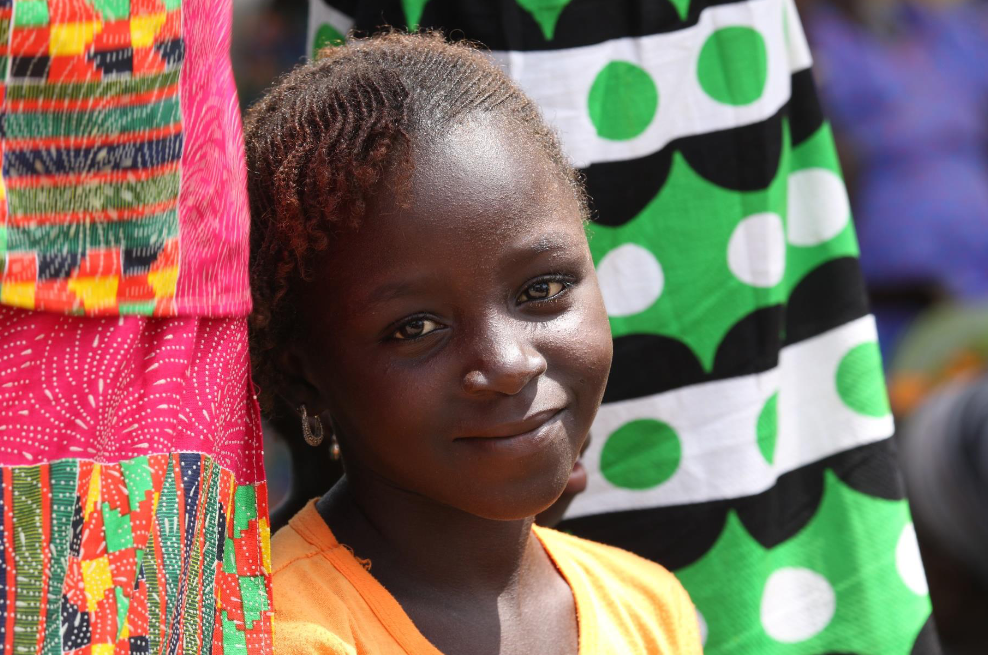
"...growing consensus that the most effective approach to reducing FGM [female genital mutilation] lies in culturally sensitive, community-based programmes that encourage social norms change."
This document is intended to be a practical guide to designing community-based, social-norms-change anti-female genital mutilation (FGM) programmes in the African context specifically. While the guide is primarily for use by those responsible for planning and managing such programmes and for people who coordinate the assessments or evaluations of those programmes, it may also be of interest to researchers, government departments, policymakers, and donors working to end FGM. The guide could also be used by members of practising communities to argue for more culturally sensitive approaches to FGM that use their lived experiences, priorities, and cultural resources as the starting point for processes of change.
As explained here, "many FGM-practising communities feel that local priorities are ignored by visiting development 'experts' and that their cultures and traditions are framed as 'problems' to be 'solved'. At the same time, for women and girls who are at risk or have experienced FGM and wish to end the practice, often the only solution perceived is to fight against their loved ones and risk losing their places in their communities. In contrast, the authors believe that there are alternative approaches that can encourage long-term shifts in social norms around FGM, which are both more sensitive and more effective."
FGM can be considered a social norm in a specific context if (i) individuals are aware of the rule of behaviour regarding the cutting of girls and know that it applies to them, and (ii) individuals prefer to conform to this rule because (a) they expect that a sufficiently large segment of their social group will cut their daughters, and (b) they believe that a sufficiently large segment of their social group thinks they ought to cut their daughters and may sanction them if they do not.
The guide references the work of the Senegalese and American non-governmental organisation (NGO) Grandmother Project (GMP) and its Change through Culture (CtC) methodology. (See Related Summaries, below, for a few examples of the many GMP summaries on The CI website.) The CtC methodology is an approach to promoting positive change in communities. GMP has found that, when programmes build on cultural realities, communities are more receptive, more engaged, and more open to adopting new socio-cultural norms and practices that can improve the wellbeing of their women and children.
Following front matter and introductory material, core sections of the guide include:
1. FGM as a Social Norm
- Insights from the Field of Community Development
2. The Relevance of Culture
- The 'Iceberg' Model of Culture: the Apparent and the Hidden
- Common Cultural Characteristics of FGM-Practising Communities
- The Argument for Culturally Sensitive Development
3. Lessons from Common FGM-Abandonment Approaches
- Common Approaches to FGM Abandonment
4. A Systems Approach to Community-Based Social-Norms Change
- Defining a 'System' and 'Systems Change'
- Addressing the Deep Structures of a System to Catalyse Change
- The Four Dimensions of a System to Consider When Designing a Programme
5. Identifying the Characteristics of FGM in a Community
- A. Which Community to Focus On
- B. FGM Terminology in Use Within the Community
- C. Type(s) of FGM Practised
- D. Age of Cutting
- E. Why FGM is Practised
6. Working with Decision-Makers, Influencers and Cultural Authorities to Catalyse Shifts in Social Norms and FGM
- A. Female Elders (Grandmothers)
- B. Mothers (Women of Reproductive Age)
- C. Female Adolescents and Young Women
- D. Male Members of the Community
- E. Religious Leaders
- F. Health Professionals
- G. Education Sector Staff
- Identifying Key Decision-Makers, Influencers and Cultural Authorities in a Community-Wide Approach
7. Catalysing Community Dialogue and Collaborative Problem-Solving
- A. Individual Empowerment Through Participation
- B. Bridging Social Ties
- C. Dialogue
- D. Convergence and Consensus
- E. Collective Action
- The Grandmother Project, Senegal
8. Identifying and Training Facilitators
- The Importance of Insider Knowledge
- Respect for Local People and Their Culture
- Facilitation Skills to Promote Learning and Change
9. Conclusions and Recommendations [e.g., "Programmes are more effective in shifting attitudes and behaviours if they consult with a broad range of community members to define the problems they face and empower them to engage in dialogue and collaborative problem-solving."]
Editor's note: The organisation 28 Too Many commissioned this guide. In March 2022, 28 Too Many merged with the Orchid Project, which offers this guide through its FGM/C Research Initiative.
Publishers
FGM/C Research Initiative website, June 20 2024. Image credit: FGM/C Research Initiative
- Log in to post comments