










































The Little Jab Book: 18 Behavioral Science Strategies for Increasing Vaccination Uptake
"A growing body of research from psychology, behavioral economics and neuroscience - collectively termed behavioral science - finds that individuals frequently do not act upon their preferences even if they have strong intentions to do so. Vaccination is no different."
This guide is meant to serve as a source of inspiration and creativity for programme managers, policymakers, and organisations as they work to mobilise the communities they serve to get a COVID-19 vaccine. Based on interviews and insights from a dozen global behavioural science and health experts, The Little Jab Book features 18 lessons from behavioural science that can be applied to increase uptake throughout the vaccination process, from the early campaign stage, to vaccination and scheduling, to during and after vaccination.
Led by Save the Children's Center for Utilizing Behavioral Insights for Children (CUBIC), the Busara Center for Behavioral Economics, and Common Thread, The Little Jab Book begins with a look into common barriers to vaccination:
- Structural barriers: cost, access, poor infrastructure
- Behavioural barriers: inertia, prevailing social norms, present bias, forgetfulness, lack of determination, friction, misperception, social motives and meanings
- Informational barriers: misinformation, lack of adequate information, complexity of information
After providing an overview of why these barriers occur, the book then highlights common interventions and strategies to increase vaccination uptake. It provides a series of case studies to show how behavioural barriers to vaccination uptake have been addressed in previous vaccination programmes around the world, especially the Global South.
The Little Jab Book is intended to be used without any prior knowledge of behavioural science. The only thing the reader needs to be aware of is that the solutions depend on context, which means that it will be necessary to think about how something will work or be perceived in each setting. To that end, the resource includes a primer on formative research to conduct, and barriers to consider, before adapting the strategies for the reader's own context.
Publishers
English, Arabic, French, Portuguese, Spanish
43 (English); 45 (Arabic, Portuguese); 44 (French, Spanish)
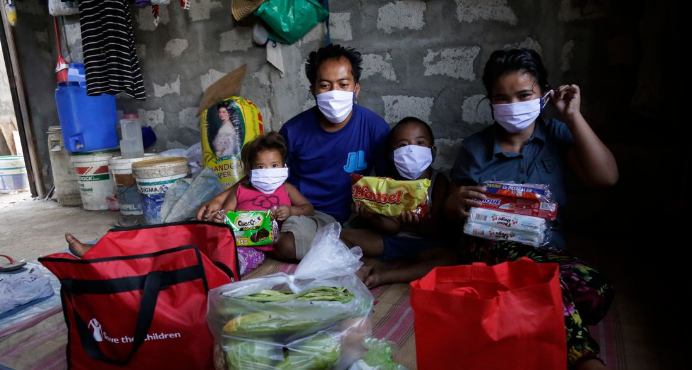
Save the Children Resource Centre, April 8 2021 and March 29 2022. Image credit: Lei Tapang / Save the Children Philippines
- Log in to post comments