










































COVID-19 Vaccination Uptake: A Study of Knowledge, Attitudes and Practices of Marginalized Communities in Iraq
CRSM Consulting
"Giving people the information they need to feel safe taking vaccines in a format that is useful for them is key to successfully achieving herd immunity for COVID-19 vaccines."
While many countries have been severely affected by the COVID-19 pandemic, Iraq already had a decimated health system that has left it particularly vulnerable. Furthermore, there is high resistance to vaccination from a large segment of the population, primarily due to the significant amount of misinformation circulating amongst public, a lack of vaccine-related knowledge, and access-related challenges. In this context, CARE Iraq conducted a study to understand community acceptance of COVID-19 vaccination and barriers to vaccine uptake among marginalised communities. The hope is that the results can inform policymakers and health actors seeking to design awareness campaigns and other interventions to increase the vaccination rate.
CARE conducted interviews with 3,770 people (2,067 men and 1,703 women) in Ninewa and Duhok governorates in mid-July 2021. The quantitative interviews were complemented with qualitative data from 16 community focus group discussions and 34 interviews with key health personnel. The study specifically looks at the needs of refugees, internally displaced persons (IDPs), returnees, and host communities.
In brief, CARE found that:
- Vaccine hesitancy is high: 67% of men and 68% of women say they are not willing to receive a COVID-19 vaccine; 62% of people would not get the COVID-19 vaccine even if it was easily available to them; and only 52% of men and 48% of women think the vaccine is safe.
- Women score lower than men on essentially every indicator of knowledge, attitudes, and practices about the COVID-19 vaccine. For example, 64% of men yet only 52% of women know where to get a vaccine. Other groups with less knowledge include housewives, daily wagers, religious leaders, and those over 60 years old.
- The majority of those surveyed did not know how to register for vaccination (50% of men and only 30% of women), and only 10% of women have registered for vaccines. However, most of the people had access to the internet and smartphones (IDPs had least access to the internet), which would have given them information about registration and a means to do so. (The trends of using social media and television as main sources of information were noted for all segments of society.)
- Barriers to vaccine access are high, and higher for women than for men: 51% of women and 32% of men say vaccine availability is the biggest barrier to access. In addition, 55% of women and 42% of men would have to travel more than 30 minutes to get a vaccine; in Ninewa, 18% of people live more than an hour away from vaccination sites.
- For people who are not willing to get a vaccine, their biggest concern is fear of side effects, including fear that COVID-19 vaccines will cause infertility. Many people said they would be more willing to get vaccinated if more people they knew had safely gotten the vaccine.
- There is little trust in the vaccination process: One of the most common reasons people give for not being willing to get a vaccine is that they do not believe the vaccines are actually designed to prevent COVID-19 but that they are, instead, used for other purposes. Another common fear is that the vaccines are counterfeit or not the preferred brand.
- Only 47% of men and 42% of women think vaccines are essential.
- Many people are not sure there is enough evidence the vaccines are safe, or that they can access accurate information that would help them make the right decision.
- For those who had been vaccinated, the reasons for doing so were: Respondents wanted to be safe from COVID-19; they had experienced the death of relatives or friends; they had read about COVID-19 and vaccinations from information provided by the World Health Organization (WHO); and/or they were instructed to do so by their employer.
Key recommendations:
- Design awareness campaigns that focus reaching the following: women, religious leaders, people 60 years and above, daily wagers, housewives, IDPs, and illiterate and semi-literate people. These campaigns should use social media and television to communicate messages related to the benefits of COVID-19 vaccinations to counter misinformation. They could include political and religious leaders, sports figures, celebrities, health officials, and trusted doctors who endorse the value of receiving COVID-19 vaccines and reassure people of their safety.
- Provide more medical information through the healthcare system to complement these campaigs.
- Increase vaccination registration awareness via various channels, including social media, television, and community events. Relying on people to register through either the internet or smartphones is insufficient, and other mechanisms need to be developed.
- Establish COVID-19 vaccination registration points in areas where internet accessibility is limited.
- Locate vaccination centres no more than 30 minutes from places of residence, and create mobile vaccination units to provide access to vaccinations to persons with disabilities, the elderly, and those without means of transportation.
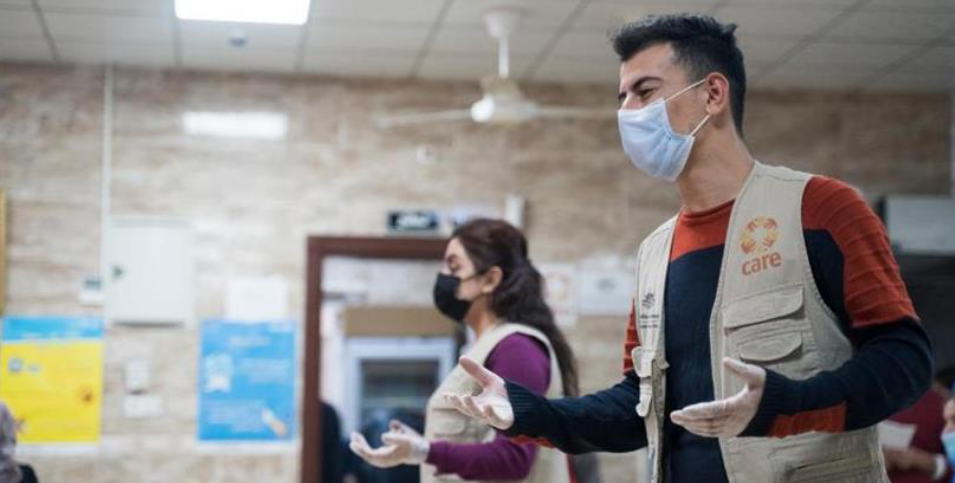
CARE Evaluations website. Image credit: CARE Iraq