











































Immunization and Gender: A Practical Guide to Integrate a Gender Lens into Immunization Programmes
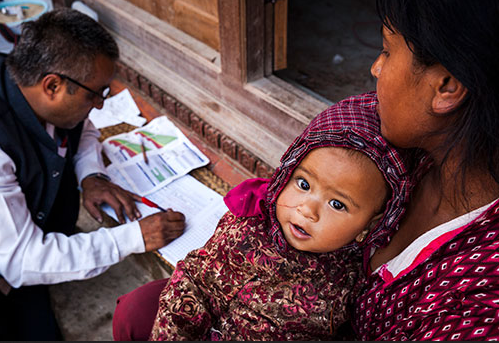
"Although it is increasingly accepted that gender equality is critical to increase demand for, access to and uptake of health services, gender considerations are still absent in many health and immunization programmes." - Jean Gough, Regional Director, UNICEF ROSA
The United Nations Children's Fund (UNICEF) Regional Office for South Asia (ROSA) prepared this practical guide to help health professionals integrate a gender lens in immunisation programmes by identifying how gender norms, roles, and relations affect health-related behaviours, outcomes, and health sector responses. Underpinned by power relations, gender-related barriers at multiple levels lead to different opportunities, limitations, challenges, needs, and vulnerabilities that affect demand for, access to, and provision of vaccines. The ultimate goal is to adequately reflect the diverse needs, capacities, and engagement of girls and boys, women and men in immunisation and health systems to reach every last child.
The guide is premised on UNICEF's conviction that immunisation interventions cannot effectively meet the needs of all unless they are informed by sex-disaggregated data and a thorough gender analysis to clearly identify diverse needs and gender-related social, economic, and cultural barriers to accessing services, as these can have great impacts on the likelihood that a child will be immunised. Healthcare providers, facilities, and health systems should explicitly recognise and address these needs and barriers; this guide aims to support them in doing so.
The guide is composed of four sections:
- The first section explains how gender affects immunisation and describes the unique gender barriers women and men, and girls and boys face when accessing immunisation and other health services.
- The second section explains what gender mainstreaming and gender analysis are and provides practical steps on how to integrate a gender perspective across a programme cycle (situation analysis, programme design, implementation, monitoring, evaluation, and reporting). A set of research questions related to different levels of the health system is offered to guide data collection when performing a project-level gender analysis.
- The third section presents four brief case studies from the South Asia region as promising approaches.
- The annexes provide templates to use when undertaking gender analysis and strategic planning and a glossary of gender-related terms.
UNICEF ROSA encourages readers to use this guide with gender expertise and relevant stakeholders to ensure all the gender barriers and enablers are thoroughly taken into consideration based on the local context.
35
UNICEF ROSA website, August 24 2021. Image credit: UNICEF ROSA
- Log in to post comments