










































Demand Creation and Advocacy for COVID-19 Vaccine Acceptance and Uptake: Interim Quick Start Guide
"[A]s the introduction of effective vaccines is on the horizon, it is time to quickly expand SBC [social and behaviour change] programs to address public acceptance of and generate demand for these critical public health tools."
Developed by FHI 360, this step-by-step guide intends to support the design and implementation of demand creation and advocacy activities as part of national COVID-19 vaccine rollout efforts. The guide draws in part on FHI 360's experience in designing and implementing social and behaviour change (SBC) programmes to promote uptake of health products and services, including vaccination services.
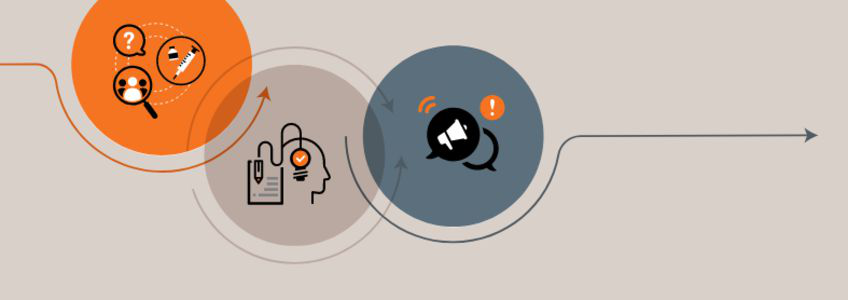
The resource details a 3-step design process for demand creation and advocacy, including specific tasks for SBC practitioners to complete under each step:
- Define and understand:
- Define vaccine characteristics, delivery channels, existing perceptions, intended groups, and a vaccine rollout plan.
- Understand healthcare provider, influencer, and audience segment needs, attitudes, and perceptions.
- Determine existing levels of trust and historical experiences with vaccines.
- Focus and create:
- Establish demand creation and advocacy strategic framework (outlining priorities, key messages for each audience segment, etc.) and implementation plan.
- Develop a crisis communication plan.
- Create or adapt tools and materials, healthcare provider job aids, and training packages.
- Implement and adjust:
- Conduct demand creation and advocacy activities according to plan.
- Monitor activities and audience and media reactions to adjust messaging and implementation plan.
- Respond to media queries and emerging concerns.
The guide includes several "global booster" sidebars that summarise global knowledge and evidence about what influences people (e.g., "the hesitant") to accept or reject vaccination and what programmes can do to support individuals and communities to accept and uptake new vaccines. The goal is to allow COVID-19 vaccine demand creation and advocacy programmes to build from what is known and more rapidly design and deploy their own demand creation and advocacy efforts. Also outlined in the guide are these key considerations:
- Acknowledge and respond to concerns about side effects: When asked, programmes should be transparent about potential side effects, being sure to contextualise them and help audiences understand that most will be rare and of limited duration.
- Be honest and transparent about who will be eligible for the COVID-19 vaccine in each phase of the rollout, and why: Programmes should communicate to audiences prioritised in later phases that their time, too, will come to receive the vaccine.
- Appeal to emotions, since data alone may not be enough to motivate uptake, even among those who understand and accept the science behind the COVID-19 vaccine. Consider linking vaccination to larger personal or societal values, such as caring for your neighbours or protecting those you love.
- Counter misinformation with accurate, easy-to-understand information delivered through trusted sources and channels: Research shows that repeating misinformation without context, which is commonly done through "myth versus fact" communication formats, only reinforces beliefs in that misinformation. Instead, provide correct information that is tailored to the concern, and explain why the related misinformation is inaccurate or harmful.
- Emphasise the need to keep practicing COVID-19-protective behaviours: The phased introduction of the vaccine means that many people will not receive it for some time. During that time, they need to continue practicing protective behaviours to reduce their risk of developing COVID-19.
This resource is intended as a living document; additional design and implementation tools will be added (or removed) and adaptations made as circumstances in vaccine rollout shift over time.
23
Email from Kara Tureski to The Communication Initiative on December 15 2020.
- Log in to post comments