










































Measuring Social Impact in the Clean and Efficient Cooking Sector: A How-To Guide
"Are entrepreneurs who distribute your clean and/or efficient cookstoves/fuels experiencing any benefits, like enhanced communications skills or expanded networks, as a result of their work with you? Are the users of your cookstoves/fuels using them consistently and finding that this has positive effects on their lives? As the primary users of cookstoves and cooking fuels, are women, in particular, benefitting from the use of your products?"
The Global Alliance for Clean Cookstoves, in collaboration with the International Center for Research on Women (ICRW), has created a set of indicators, methodologies, and tools for measuring the diverse social and economic impacts of clean and efficient cookstoves and fuels initiatives around the world. The Social Impact Measurement System provides the foundation for organisations, investors, and donors to be on the same page regarding the definition, measurement, analysis, and reporting of social impacts related to clean and efficient cookstoves and fuels. These actors global-level actors can use social impact data to: aggregate the types and magnitude of social impact being achieved worldwide in order to tell a story about how clean and/or efficient cookstove and fuel initiatives are creating social impacts across contexts and settings; and use evidence across regions and clean and/or efficient cookstove/fuel types to build a more comprehensive picture of the types of impact the cookstoves and fuels sector is having globally.
To map the potential pathways connecting the clean and/or efficient cookstoves and fuels sector with various social impacts, ICRW and the Alliance convened a Steering Committee with a variety of stakeholders. They then developed conceptual models that illustrate two main pathways through which the cookstoves and fuels sector creates social impacts. The first pathway focuses on how involvement in clean and/or efficient cookstoves and fuels value chains can expand livelihoods opportunities for women and men, with a special emphasis on how involvement of women in clean and/or efficient cookstoves and fuels value chains can enhance women's social and economic empowerment. (Outcomes of empowerment can include improvied self-confidence and self-efficacy, enhanced voice/participation, increased decision-making and control over resources, and improved status.) The second pathway identifies how adoption of clean and/or efficient cookstoves and fuels by users of these products can translate into improvements in their social and economic well-being, as well as that of their households (e.g., shifts in time spent collecting fuel versus time spent on education/training).
After describing the rationale for using the Social Impact Measurement System and explaining how to choose the right tools for your organisation, the resource provides a guide to each of the Social Impact Surveys, including what they measure, why, and what to consider when gathering this data. Next is a data collector training guide, which provides guidance on assembling and training your data collection team for successful administration of the surveys. Finally, informed content information sheets include suggested scripts to be read to participants detailing the purpose of the survey and their rights as respondents.
Funding for this guide was provided by the United Kingdom (UK) Department for International Development (DFID).
Publishers
122
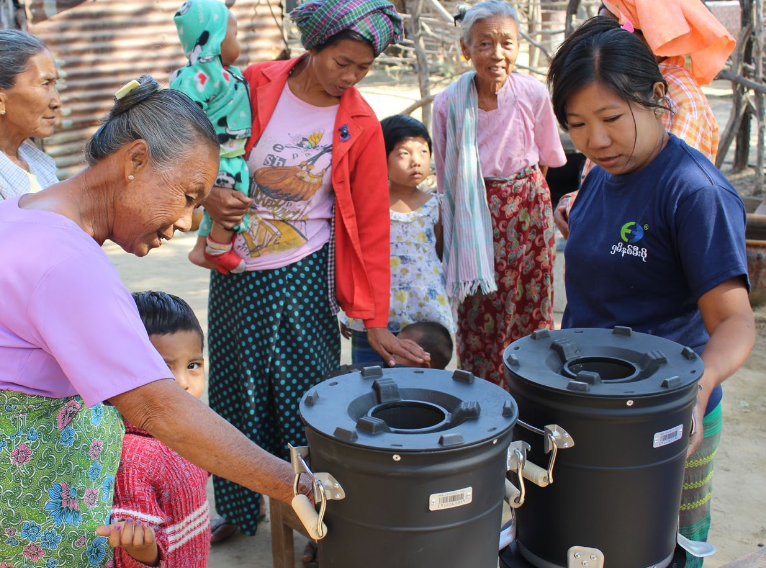
Global Alliance for Clean Cookstoves website, August 4 2017. Image credit: Courtesy of Mercy Corps, Myanmar Stoves Campaign