










































A Rights in Crisis Guide to Influencing: The Who, What and Why of Humanitarian Campaigning
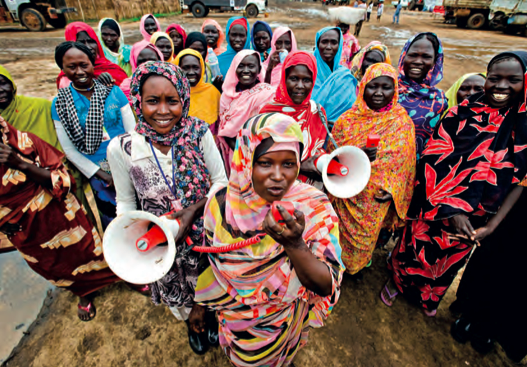
This guide, which is designed for people working in humanitarian crisis situations, explains how the humanitarian system works, who to influence, and what issues to campaign on in order to ensure respect for the rights of women, men, girls, and boys at risk or affected by conflicts and disasters. As stated in the guide, it is about understanding:
• WHO to influence in order to prevent or respond to humanitarian crisis situations - such as governments, donors, private sector actors, and non-governmental organisations (NGOs); and
• WHAT issues you may need to influence them on - such as the right to assistance and protection, civil/military interaction, and gender justice in humanitarian contexts.
The guide has been produced by Oxfam’s Rights in Crisis Campaign as a resource “to guide Oxfam staff, partners, allies and anyone involved in humanitarian influencing work - whether you are working at country, regional or global level. It draws on Oxfam’s more than 60 years of humanitarian programming, campaigning and advocacy work.”
It is divided into the following sections and chapters:
1 Introduction
1.1 Oxfam’s humanitarian commitment
1.2 The humanitarian challenge
1.3 Humanitarian influencing
2 Principles and standards
2.1 International humanitarian law
2.2 Core humanitarian principles
2.3 Human rights
2.4 Codes and standards
3 Who’s who in the humanitarian arena?
3.1 Affected communities
3.2 Civil society
3.3 Governments
3.4 Regional organizations
3.5 The international humanitarian system
3.6 Donors and funding mechanisms
3.7 Private sector
3.8 Military forces and peacekeeping missions
3.9 Armed non-state actors
4 What humanitarian issues do we campaign on?
4.1 The right to assistance
4.2 The right to protection
4.3 Humanitarian access
4.4 Gender justice in crises
4.5 Preventing conflict
4.6 Resilience, risk reduction and climate adaptation.
Publishers
English, Spanish, and French
110
Oxfam website on July 18 2016.