










































Connected Women : Mobile Skills Toolkit 2015
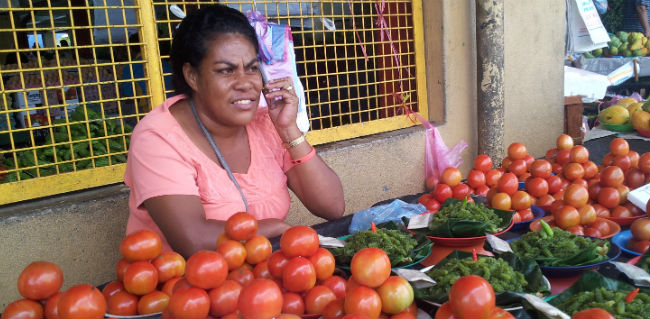
“The ability to use a mobile phone and its non-voice and core functions – has been identified as a barrier to women’s awareness and usage of mobile services across low- and middle-income countries.”
The Groupe Speciale Mobile Association Connected Women programme works to bring socio-economic benefits to women through the greater inclusion of women in the mobile phone industry. The programme focuses on closing the digital skills gender gap and encouraging female leadership in mobile technologies worldwide.
In 2012 and 2014 the Connected Women programme worked with local partners and community groups in Papua New Guinea to identify a pathway to improve women’s understanding and use of mobile technology and, by association, their adoption of services that mobile technology has to offer.
The resulting 2015 Connecting Women Mobile Skills Toolkit provides trainers with a resource to improve women’s mobile phone literacy and address the challenge of increasing women’s awareness of mobile phones and technical abilities in order to better enable women to take advantage of the practical and empowering services that mobile phones have to offer. The toolkit, originally created to serve the needs of women in Papua New Guinea, can be adapted for women in other countries with the use of the Adaption Framework designed by the Connected Women programme to help address the specific needs of local communities.
The toolkit provides the trainer with a framework for a two-day workshop designed to give participants an understanding of the value of mobile phone technology, as well as basic and advanced usage skills. On Day One women are given an overview of mobile phone functions, such as calling, messaging and using a calculator. The benefits that mobile phone usage provides are also covered, such as emergency assistance, promoting safety, and breaking down the barriers of distance to friends and family. At the end of Day One participants are introduced to the concept of mobile money. On Day Two the training is further broken down into real applications of mobile phone functions such as using checking bank balances, transferring money, and bill payment. The two days close with a summary of the workshop.
The document includes communication resources such as posters, stickers, and pamphlets. Suggested distribution channels for Papua New Guinea include: health centres, hospital waiting rooms, bank waiting rooms , village health posts or aid posts, women’s resource centres, community post offices, and market places.
Publishers
38
GSMA website, January 7 2016.
- Log in to post comments