











































Biiftuu Jireenyaa and Jember Radio Programmes
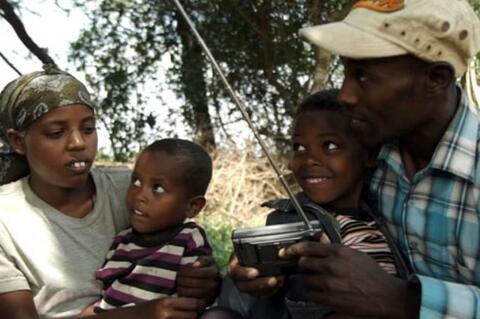
Launched by BBC Media Action in 2013, Biiftuu Jireenyaa, which means "Dawn of Life" in Afan Oromo, and Jember, which means "maternal light" in Amharic, are radio programmes designed to improve reproductive, maternal, neonatal, and child health (RMNCH) in Ethiopia. The radio programmes deliver a series of lessons focused on maternal and neonatal health. Designed to reflect the varied preoccupations and experiences of the listeners themselves, they also tackle such topics as the demands of making a living in rural areas or the challenges of relationships. Presented by a male and female presenter team, both programmes use interviews, discussion, and fly-on-the-wall encounters between health workers and women. The programmes are funded by the United Kingdom (UK)'s Department for International Development (DFID).
Biiftuu Jireenyaa is a 30-minute radio programme broadcast on Friday evenings on Oromia Radio at 9:10 p.m. with a Sunday morning repeat, and Jember is broadcast on Sunday afternoons and repeated on Wednesday morning. Both programmes feature similar health themes, but careful attention is paid to regional differences in their audiences. In addition to interviews recorded in people's homes and in the field, the show features 'fly-on-the-wall' recordings – of, for example, what really happens behind a clinic door when a woman goes for an antenatal check-up. Music, proverbs, and poetry are also interwoven to reflect Ethiopians' strong tradition of storytelling. The programmes are recorded on location by local producers in Afan Oromo and Amharic, Ethiopian languages spoken by more than two-thirds of the population.
According to BBC Media Action, fundamental to the approach of the programme is the idea that women in rural areas do not simply define themselves as patients. There are many different demands competing for their attention, including the price of foods, the quality and quantity of the harvest, access to markets, the availability of water, the cost of secondary education, and the settling of sons and daughters in satisfactory marriages. Pregnancy and birth takes place in this broad context, and the programmes are designed to respect and acknowledge this.
While the primary intended audience is women of childbearing age, the programmes are also designed to appeal to their husbands, as men tend to have control over the household radio and play a crucial role in either promoting or blocking the family's access to health care. To encourage women's access to the programmes, for example, the team has included a short spot in each programme encouraging men to share their radio with their wife.
Maternal and Neonatal Health
According to BBC Media Action in Ethiopia, maternal deaths account for 30% of all deaths of women aged 15-49, which in turn heavily impacts on the mortality of young babies.
BBC website and BBC website on December 6 2013 and April 5 2017.
- Log in to post comments