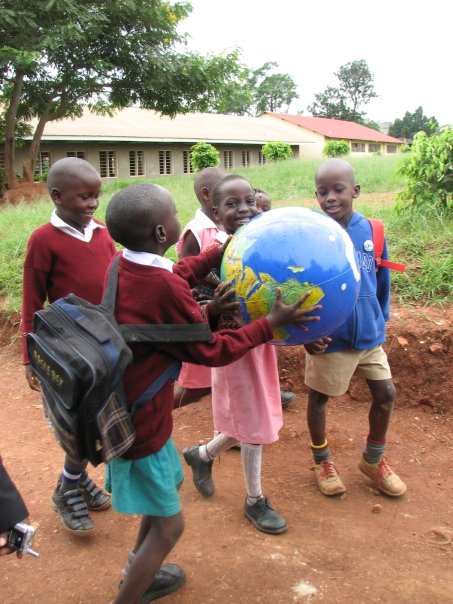
Project WET
This initiative draws on printed materials, the internet, and face-to-face encounters. In brief, the strategy involves: publishing water resource materials (e.g., educator guides, children's activity books and storybooks, maps and posters, etc.) in several languages; providing training workshops on diverse water topics (i.e., watersheds, water quality, water conservation); organising community water events, such as Make a Splash with Project WET water festivals and the Global Water Education Village™; and building a worldwide network of educators, water resource professionals, and scientists.
Specifically, the centerpiece of Project WET is the Project WET Curriculum and Activity Guide. This 517-page guide contains 91 multidisciplinary water-related activities for students in grades kindergarten to twelfth. The guide features cross-reference and planning charts, a glossary, and background material on activity development and field testing. The guide is currently available in English, Spanish, and Japanese, and a version also has been localised for the Philippines. According to organisers, more than 40 countries, in addition to the United States, are using the guide. (Editor's note: this guide, as well as all Project WET publications, are available for purchase only. Click here for details).
The cornerstone of Project WET is its methodology of teaching about water resources through what are meant to be hands-on, investigative, easy-to-use activities. Project WET activities are designed to complement existing curricula rather than displace or add additional concepts.
Activities in the Project WET Curriculum and Activity Guide and many of its other educator guides, including WOW! Wonders of Wetlands and Healthy Water, Healthy People, are provided to educators through workshops, which follow a train-the-trainer model. The training, held by Project WET coordinators and facilitators for a minimum of 6 hours at the community level, is intended to create opportunities for participants to network and share implementation ideas and to encourage participants to translate knowledge into communication and action. It is supported by the Project WET website.
Project WET also hosts various community events. Make a Splash with Project WET water festivals promote awareness of and increased knowledge about water resources. The festivals are held around the world in an effort to educate students about water in fun, interactive environments. While grounded in water science principles, the festivals also promote multidisciplinary approaches to learning by integrating social studies, geography, math, language arts, art, and journalling.
To cite an example of Project WET's global focus, on World Water Day 2009, Project WET convened children's activities at the 5th World Water Forum in Istanbul, Turkey. There were 4 components to this activity:
- The Global Water Education Village™ highlighted water education's role and impact in communities around the world and connected local solutions with the resolution of global water challenges.
- The Children's Water School was intended to be a fun, interactive setting where children participated in hands-on activities to learn the importance of water resources.
- A Special Session on School and Children – Building Bridges to the Future through Education about Water was an interactive discussion involving a panel and attendees on topics including: What are the latest educational materials that build a sense of responsibility and create excitement? How can we empower people, specifically children and teachers, to make a difference for water through their actions?
- The 3rd Children's World Water Forum gathered children from communities around the world to present their local action projects that have a positive impact on water in their community. The children selected 5 local action projects for presentation to the ministerial conference at the World Water Forum.
Water, Education.
According to organisers, over the past quarter-century, global water problems have continued to escalate. Every day, the quality and quantity of water resources affect people's health and well-being. Yet one in eight does not have access to clean and abundant water. Through water education, individuals: identify their watershed address; discover their role in the hydrological cycle; and recognise that water connects us all.
Editor's notes:
- Click here to watch a video about Project WET.
- Click here to read "Potential Ignored is Potential Denied", an article by John Etgen, Project WET's Vice President, published in Johns Hopkins University’s Global Water magazine on September 6 2010.
3DNews: Perspectives on Defeating Diarrheal Disease, Volume 1, Issue 2, July 2010; Project WET website, September 3 2010; and email from Nicole Rosenleaf Ritter to The Communication Initiative on September 14 2010.