










































Wahapahapa
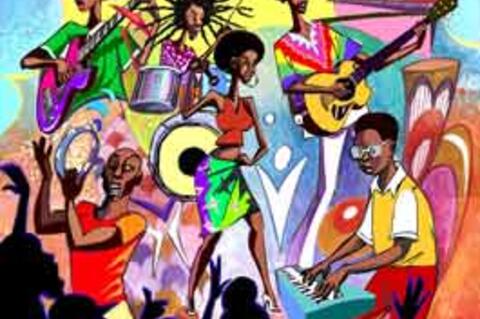
The Wahapahapa radio drama takes place in Kalumbi, a fictional town somewhere in the heart of Tanzania. Wahapahapa's main characters are a group of musicians, The Homeboys Band, and the programme explores the impact of HIV/AIDS on young adults through the lives of the band members, their families, and friends. Three additional interweaving storylines communicate specific behaviour change objectives through transitional characters. There is the storyline of Mainda and her mother Monika who have a tenuous relationship. Their story stresses the importance of parent-child communication in protecting youth as they navigate through the difficult period of adolescence. Tausi, an HIV-positive woman who eventually joins the band, is a talented young musician trying to pursue her dreams. Tausi's story explores the challenges of disclosure, living positively, and confronting stigma. Ray, also HIV-positive, models the trials and tribulations of anti-retroviral treatment (ART). Ray works at the local Masifa (Pride) radio station, and, on his music talk-show Mwale wa Jua (Ray of Sunshine), he conducts live interviews of contemporary Tanzanian musicians.
According to the organisers, Wahapahapa's storylines carefully integrate instructive messages around stigma, cross-generational sex, multiple concurrent partners, HIV testing, and treatment and care. Using humour, drama, and music, the characters model positive behaviour change to help develop and strengthen young people's belief that they can make safe, responsible decisions around sex and relationships.
To complement the radio drama series, the producers have commissioned songs from 10 Tanzanian musicians. According to the producers, the songs are inspired directly by the drama's characters, storylines, and themes, with lyrics intentionally designed to provoke discussion around sensitive issues relating to HIV prevention, treatment, and care. These songs, as well as others heard on the drama, have been released as compilation albums.
Eight Mseto Wahapahapa music videos were produced from the commissioned music, bringing Wahapahapa to the screen and providing visual references for the main characters and locations of the radio drama. One of the music videos was of one of Tanzania's most popular songs in 2009 - Zoba by Banana Zorro. The producers hope the music videos will help provide a springboard for transforming the drama into a television series. The videos will also be used as training and resource materials for STRADCOM's community outreach programmes.
In addition, three big concerts were held across the country (in Dar es Salaam, Mbeya, and Iringa) featuring the Mseto Wahapahap artists. A Swahili feature documentary has also been produced on the project.
Click here to visit the Wahapahapa website (Swahili only).
HIV/AIDS, Youth
STRADCOM, Media for Development International, John Hopkins Bloomberg School of Public Health Center for Communication Programs (CCP), Tanzanian Ministry of Health and Social Welfare, and the United States Agency for International Development (USAID).
STRADCOM website and Media for Development International - Tanzania Annual Report [PDF] on January 13 2009.
- Log in to post comments