










































Storytelling & Social Change: A Strategy Guide for Grantmakers
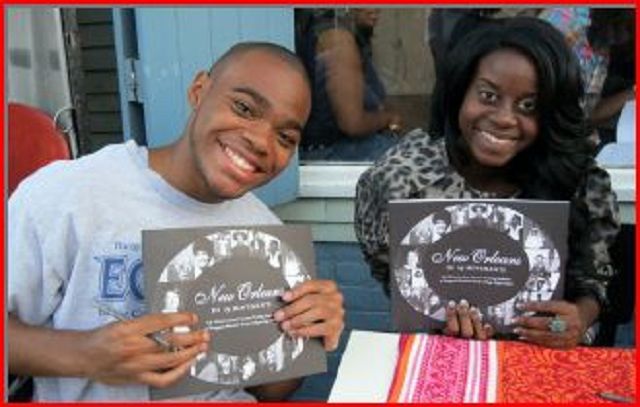
"Storytelling is a powerful tool for communications, organizing, and evaluation. Consider efforts that use oral history to expose human rights abuses, documentary films for prison reform, telenovelas to advance immigrants' health, or digital storytelling to prevent LGBT [lesbian, gay, bisexual, and transgender] youth suicide...."
This practical guide is designed to serve grantmakers who use or want to use narrative strategies - strategies that use storytelling to advance social change - in their funding and communications programmes. The guide looks at the recent history of storytelling and social change; reviews the theories of change behind this work; provides case studies of 10 projects and funders; offers resources and recommendations to build the field; and includes sidebar interviews and other features. Among the organisations and funders featured are the Open Society Foundations' Health Media Initiative, the "Stories of Change" partnership of the Skoll Foundation and the Sundance Institute, Nation Inside and the Media Democracy Fund, and many others using oral history, video, film, books, radio, and other forms of storytelling to effect change in diverse issue areas. For example, one text box in the resource describes the "It Gets Better Project" (a summary of which may also be viewed under the Related Summary section below), which involves a YouTube channel that encourages LGBT adults and straight allies to share their personal stories.
An excerpt from the guide follows:
"As we'll explore in this guide, funders and nonprofits have used storytelling in doing needs-and-strengths assessments, community organizing, public education, and program evaluation. They've used such diverse forms as plays, books, films, web videos, story circles, radio programs, oral histories, museums, walking tours, journalistic reports, and even story-based video games....In these pages, grantmakers will find guidance and considerations regarding how and why to:
- make story grants to advance their own program goals in any issue area, and evaluate the impact of funded work;
- tell or solicit stories as a foundation to communicate effectively with prospective grantees, prospective donors, local communities, and other stakeholders; and
- use storytelling internally to sharpen the foundation's focus."
Emails from Brett Davidson and Paul VanDeCarr to The Communication Initiative on June 19 2013 and June 20 2013, respectively. Image credit: Courtesy of Neighborhood Story Project
- Log in to post comments