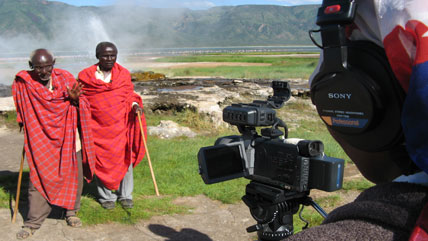
Rightful Place: Endorois’ Struggle for Justice - Video Advocacy in Kenya
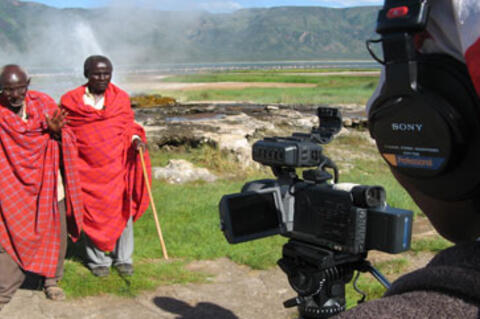
In developing the video, Witness conducted two workshops with CEMIRIDE around making documentary films for advocacy. During the second workshop, participants created the video, which looks at the Endorois people, their claims to the land around Lake Bogoria, the impact of being evicted from the land, and the ongoing legal dispute between the community and Kenyan government. The video demonstrated how conditions on the ground breached articles of the African Charter on Human and People's Rights (ACHPR). To support the case before the ACHPR and enable a broader campaign for the Endorois community in Kenya, a second video on the issue, was produced in 2007 for use in a national campaign in Kenya and in international fora.
The video was submitted as evidence to the African Commission on Human and People's Rights, as a way to bring the voices of the affected Endorois into the courtroom. In February 2010, the ACHPR found the Kenyan government guilty of violating the rights of the indigenous Endorois and the Kenyan government now is legally bound to restitute the land and compensate the Endorois for their loss. According to organisers, this case was the first time that a video was accepted as evidence. The decision also created a major legal precedent by recognising, for the first time in Africa, indigenous peoples’ rights over traditionally owned land and their right to development.
Click here to watch the video of "Rightful Place: Endorois’ Struggle for Justice" on the Witness website.
Click here to watch a short video about the background, timeline, and strategy of this video advocacy project on the Witness blog.
Land Rights, Minority Rights
According to the organisers, violations of land rights, including the rights of the generations of Kenyans displaced through historical and recent evictions, are one of the key unresolved issues in Kenya. In the last decade there have been several attempts at comprehensive land reform that would allow for final and fair determination of land ownership and create a system to restore land to those unlawfully evicted or to compensate them. None of these reforms have been completed.
Witness, Centre for Minority Rights and Development (CEMIRIDE)
Witness website and Witness blog on July 27 2010.