











































Participatory Capacity and Vulnerability Analysis: A Practitioner's Guide
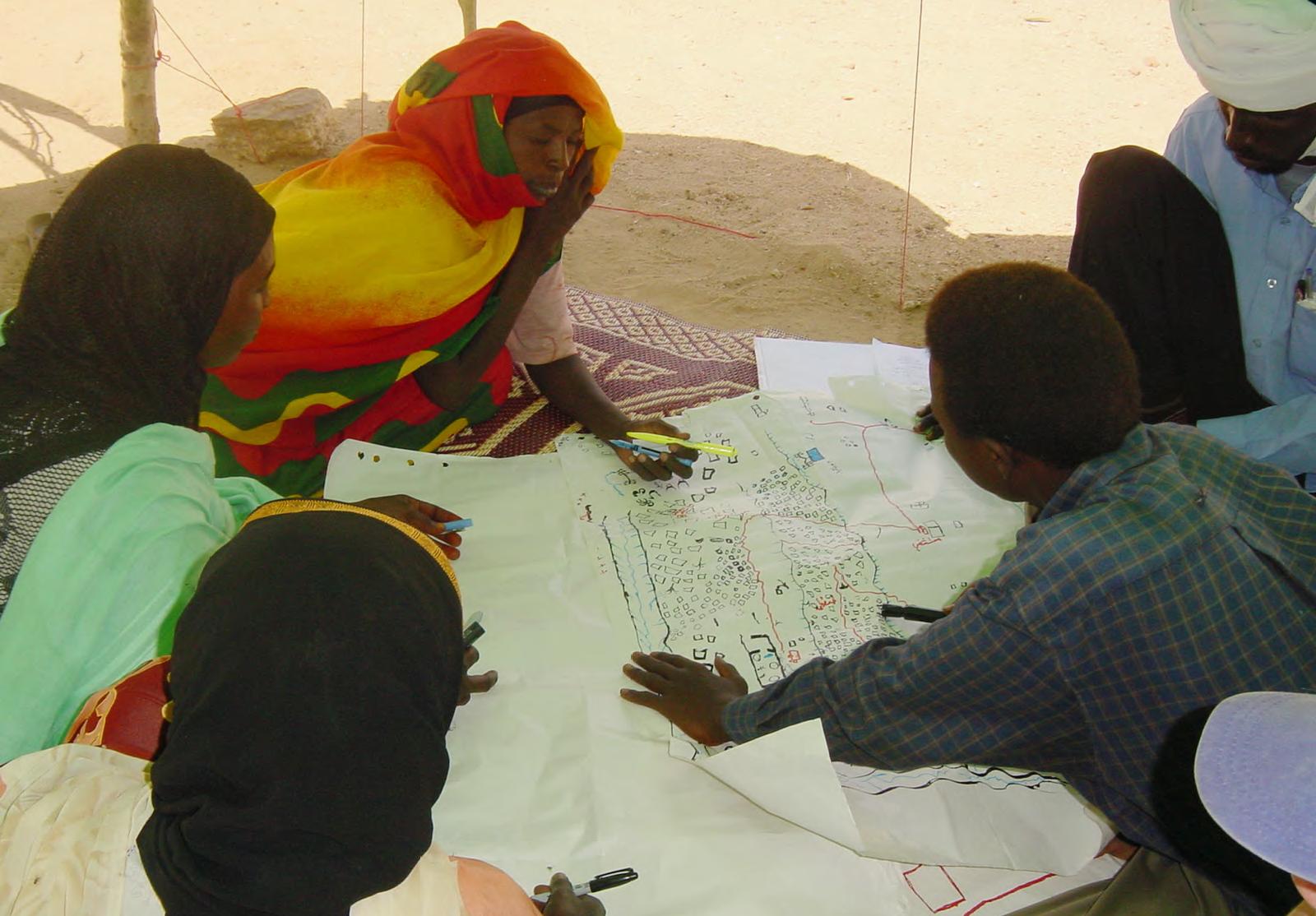
"The participatory nature of the process supports men and women to act as agents of their own development who, with the right resources and support, can solve their own problems. It promotes the participation of women in particular as risk analysts and decision-makers when it comes to prioritising what a community can do to reduce its disaster risk."
Oxfam's participatory capacity and vulnerability analysis (PCVA) tool is a risk analysis process designed to help staff and partner organisations engage with communities in contexts where natural disasters are significant drivers of poverty and suffering. PCVA has its roots in two social development methodologies. First, it stems from capacity and vulnerability analysis (CVA) methodology. According to Oxfam, this has long enabled development and humanitarian aid workers to design programmes based on a community's capacities as well as its vulnerabilities. It recognises that vulnerable people have capacities to cope with adversity and can take steps to improve their lives, however difficult their situation may be. Second, it is rooted in the belief that enabling communities to genuinely participate in programme design, planning, and management leads to increased ownership, accountability, and impact. PCVA draws on a wide range of participatory learning and action (PLA) techniques and tools that are designed to channel participants' ideas and efforts into a structured process of analysis, learning, and action planning, with the overall aim of reducing a community's disaster risk.
This step-by-step guide has been designed to take development practitioners working with communities that are vulnerable to natural hazards through the PCVA process. In Part 1, the theory and concepts behind PCVA are outlined; also offered is both a brief description of how PVCA has evolved and what Oxfam's approach to disaster risk reduction (DRR) is and why climate change must be a significant factor in any DRR programming. Part 2 provides the step-by-step guide to the seven stages of the PCVA process. It covers the necessary preparatory work, facilitation (working directly with the community on PLA exercises to answer key questions), and action planning. The steps include:
- Stage 1: Making preparations
- Stage 2: Collecting secondary data
- Stage 3: Beginning work with the community
- Stage 4: Analysing hazards, the impact of climate change, vulnerabilities, and capacities
- Stage 5: Prioritising risk
- Stage 6: Developing a risk reduction action plan
- Stage 7: Putting the action plan into practice
The guide is structured in a way that is designed to give programme staff, facilitators, and communities the flexibility to carry out the different stages over a number of consecutive days or at different moments in time, depending on local needs, priorities, and availability.
This version of PCVA guide was updated based on feedback following a pilot phase in 2009 to improve its approach to gender analysis and gender equity and to make it more relevant to communities in both rural and urban environments.
Publishers
43
Oxfam website, January 16 2014. Image credit: Carmen Rodrigues/Intermon Oxfam
- Log in to post comments