











































Needs, Challenges & Opportunities: Adolescents and Young People Living with HIV in Zambia
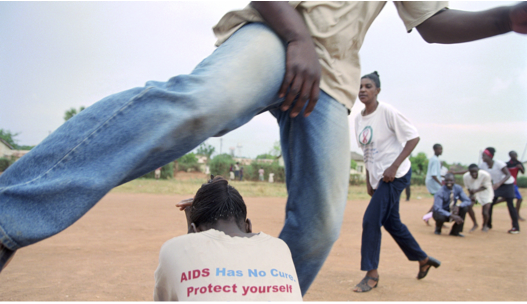
The aims of this qualitative study, carried out in 2010 by the International HIV/AIDS Alliance, were twofold. The first was to explore and document the psychosocial, sexual, and reproductive health (SRH) needs of adolescents (10-19) living with HIV in Zambia. The second aim was to identify gaps between these needs and existing SRH and HIV-related initiatives and services currently available to young people.
The need for this study arose out of concerns that the growing number of adolescents and young people living with HIV are not receiving consistent, age-appropriate support from HIV services, especially in relation to sexuality, relationships, and tailoring lifestyles around their HIV status. In addition, as antiretroviral treatment (ART) is rolled out and access becomes more viable, adolescents living with HIV require increasingly sophisticated interventions to ensure that the benefits of ART are maximised.
The findings of the study report several communication-related insights into the experiences of living as a young person with HIV and the effectiveness of HIV service providers. Immediate social networks have significant impact on the ability of young people to adhere to treatment and to come to terms with their HIV diagnosis. Also, young people are seeking and expecting information, and HIV service providers in some instances are unable to meet the informational requirements of young people. Responses from young people indicate that tailored and participatory events for information and social needs are appreciated greatly. From a service perspective, HIV support services vary in their capacity to meet the needs of young people with HIV. Treatment support is generic, but addressing the social and psychological needs is more fragmented. People working in services who are welcoming, empowering, and willing to share specific information about individual needs are highly valued.
According to the authors, for young people living with HIV, the need for effective support and guidance is amplified. There are three levels that are recommended to be addressed when considering the implications of interventions on the part of HIV service providers. On the personal level, accessing local support groups and psychosocial support providers can help offset some of the problems of adherence. Organisationally, service providers can play an active role in facilitating testing, supporting the process of disclosure, and ensuring that information is delivered cohesively between the organisation, family, media, and faith-based groups so that young people are not presented with conflicting messages. On the policy level, adequate support for health care workers and non-governmental organisations (NGOs) as they support young people should be provided to ensure services meet the needs of an adolescent at each point in their development.
Email from Kate Gerrard to The Communication Initiative on August 5 2011 and the DFID website, September 5 2014.
- Log in to post comments