










































How to Create Successful Vasectomy Programs
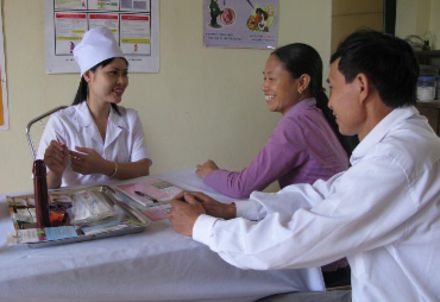
"By promoting and supporting the voluntary use of vasectomy, countries can move toward their FP [family planning] goals, decrease their service delivery costs and integrate men into reproductive health as both informed supporters of women-controlled methods and as contraceptive users."
The purpose of this brief is to help advocates, programme planners, policymakers, and Ministries of Health establish policies, allocate resources, and advocate for successful vasectomy programmes. FHI 360 describes vasectomy as a cost-effective and safe family planning (FP) method but one that is under-used in low-resource settings. Produced by FHI 360 with support from the Evidence Project, the brief has a particular focus on promotion of vasectomy as an evidence-based practice. It includes recommendations, programme highlights, and resources for further information.
The brief is framed around EngenderHealth's Supply-Enabling Environment-Demand (SEED) Programming Model™, which has been established as a global framework for sexual and reproductive health (SRH) programming. On this model, the following 3 components must be mutually reinforced in order to create and sustain successful vasectomy programmes:
- Creating, increasing, and sustaining demand for vasectomy services - In order to be motivated to use vasectomy services, an individual or couple needs accurate knowledge of and positive attitudes towards vasectomy. A list in the brief outlines specific recommendations for generating and sustaining demand for vasectomy services:
- What: For example, use formative assessments to research misconceptions and barriers to vasectomy use in specific communities, developing information, education, and communication (IEC) strategies to directly address misinformation in communities. These materials should emphasise positive messages about vasectomy (e.g., the procedure is painless, has a quick recovery time, and doesn't interfere with sexual function or pleasure).
- Who: For example, provide antenatal and post-partum women and couples with accurate information about vasectomy in order to help couples plan their family size while already engaged in services related to childbirth.
- Where: For example, reach men by disseminating information through workplaces and religious and education institutions.
- How: For example, use multiple popular communication media channels strategically to promote continued demand for vasectomy. Engage satisfied clients as "champions" to share testimonials, and engage trusted sources in the community such as healthcare providers and religious and cultural leaders to give information to men.
- Increasing supply of vasectomy services - Provision of high-quality services must include adequate infrastructure, supplies and equipment as well as well-trained, skilled, motivated, and supported staff. Among the recommendations: Improve permanent method counseling, which includes addressing misconceptions and facilitating partner communication, for individuals and couples so clients can make informed voluntary decisions about their SRH. It is also important to have administrative, financial and management systems in place that are accountable to the communities they serve.
- Creating an enabling environment for vasectomy programmes - "Sociocultural, economic, and policy factors influence health services and social norms related to FP in general and to vasectomy in particular. An enabling environment for vasectomy requires engagement of governments, communities, and civil societies to support and advocate for gender equitable norms, accountability, evidence-based policies and high-quality vasectomy services." Recommendations are offered at the policy level (e.g., create a comprehensive national SRH curriculum for youth that includes permanent methods), health system level (e.g., motivate providers to offer comprehensive client-centred counseling where all FP options are discussed and counseling is tailored to the individual's or couple's unique fertility goals), and household/community level (e.g., address gender-related norms that may negatively impact FP decision-making by empowering women and couples to talk openly about their reproductive intentions).
English and French
6
FHI 360 website, October 18 2016. Image caption/credit: "A health staff member provides counseling services on family planning to a couple at a commune health station in Xuan Duc, My Hao, Hung Yen, Vietnam. © 2009 Nguyen Quoc Phong, Courtesy of Photoshare"
- Log in to post comments