










































Handbook for Media: The New Coronavirus and COVID-19
"Think about how you can go beyond telling people a message or instruction, and help people to engage, understand and feel able and motivated to make changes (this includes leaders as well as the wider public)."
BBC Media Action has developed this handbook to help media support their audiences to face the COVID-19 health emergency. The organisation holds that, if communities respond appropriately and quickly, it is possible to limit its spread and the damage it causes. In this context, mass media and communication can:
- Provide audiences with crucial information on how to stay safe and help prevent the spread of the coronavirus;
- Keep people up to date on the support services available and how to access them;
- Counter dangerous rumours and incorrect information;
- Hold authorities to account over their responsibility to protect the population;
- Provide a platform for those affected or at risk to raise their concerns and needs, ask questions, and explore solutions; and
- Reassure and motivate people to help themselves and others.
Following background information and basic facts about the new coronavirus and COVID-19, the handbook asks, What makes for effective communication? Good communication is described here as being: clear, accurate, trusted, consistent, practical, realistic, solution-oriented, responsive, timely, adaptive, engaging, positive, and empathetic. BBC Media Action stresses that audience interaction is critical for effective COVID-19 response programmes. It brings people together (remotely) and helps move them from knowledge to action. Audience interaction can:
- Give people a platform to express their needs and raise their queries and concerns;
- Create a sense of community and connectedness when in-person contact is not possible;
- Strengthen the public's sense of partnership with the media and each other;
- Help identify gaps in the response and holds authorities to account;
- Help identify and correct mis/disinformation;
- Facilitate the flow of information between experts and people;
- Help de-stigmatise people with suspected COVID-19, people with COVID-19, and people from areas with larger outbreaks of the new coronavirus through normalisation of the issues;
- Humanise the programme and the subject; and
- Enable the media to know their audience better and to adapt content to that audience.
The handbook then presents content ideas for media and possible formats. It covers the choice of programme contributors, noting that, in addition to seeking subject-matter experts, it is important to seek contributors who have the trust and influence to motivate people to change their behaviour, and who can offer insight into the everyday realities people are facing. A list of questions to ask a health specialist in an interview is presented, along with production safety considerations for programme-makers and contributors.
A section of rumours and incorrect information offers 7 key tips from the BBC for journalists to stop the spread of misinformation around COVID-19:
- Stop and think before forwarding along new advice you receive - whether by email, WhatsApp, Facebook, or Twitter - to family, friends, and/or contacts.
- Before you forward it along, check your source.
- Ask yourself, Could it be a fake?
- If you're unsure whether it's true, don't share.
- When you get sent long lists of advice, check each fact individually.
- Beware of emotional posts.
- Think about biases: Are you sharing something because you know it's true - or just because you agree with it?
At the conclusion of the handbook, sources that "are reliable and can be taken as the final word on the subject" are listed, with links to them - along with links to training courses for journalists on COVID-19.
Publishers
English; Ukrainian
35
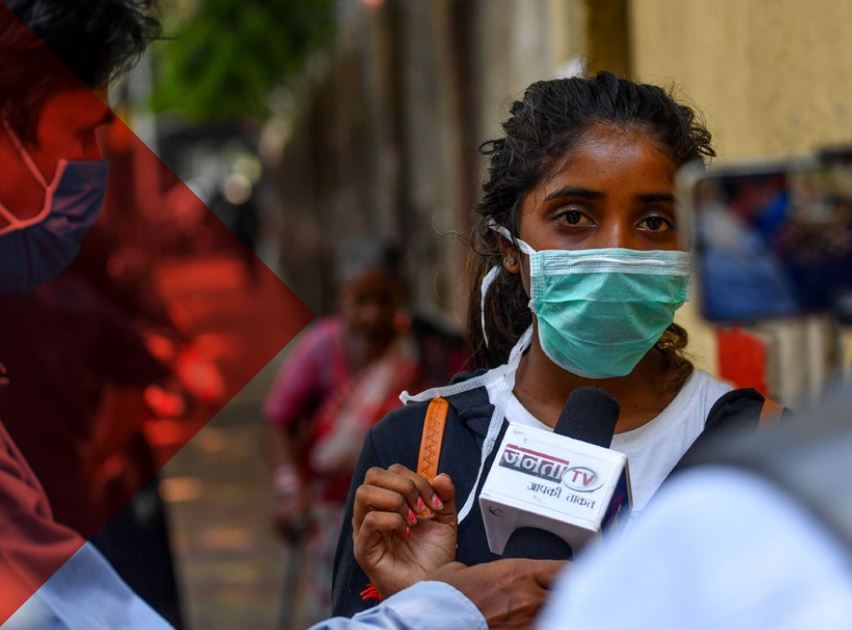
CDAC Network website, June 22 2020. Image credit: Indranil Mukherjee/AFP via Getty Images
- Log in to post comments