










































Guidance on Distance Learning Modalities to Reach All Children and Youth During School Closures
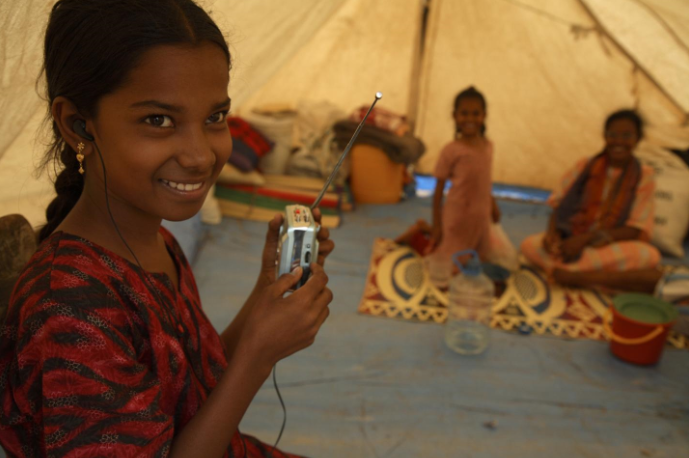
"...vulnerable and disadvantaged children and youth are more likely to be 'first-generation learners', and thus are less likely to have parental education support during school closures..."
As schools closed around the world due to COVID-19, many governments acted quickly to try to ensure that students continued learning through a number of distance learning modalities. As the crisis developed, the COVID-19 pandemic exposed inequalities in access to technology and led to a global widening of gaps between those with opportunities to learn - in particular, those who can access online lessons and resources, and those with few or no such opportunities. From the United Nations Children's Fund (UNICEF) Regional Office for South Asia, this guidance document provides key considerations and recommendations for government policymakers and education staff of national and international organisations working to ensure continuity of learning for all children and youth during school closures. It examines the opportunities and challenges of different distance learning modalities, with a focus on low- and no-tech modalities and approaches to reach the most disadvantaged and marginalised children.
Twelve learning modalities are summarised in the Home Learning Modalities Matrix, across four learning classifications (the four corners in the matrix):
- Low/no tech: self-learning
- Low/no tech: teacher-guided learning
- High tech: self-learning
- High tech: teacher-guided learning
Contents include:
- Distance learning in the context of school closures due to COVID-19
- Ensuring continuity of learning during school closures
- Use a combination of learning modalities
- Establish a one-stop portal with key resources and guidance
- Encourage school leaders to take an active role
- Ensure teachers' continued engagement with their students
- Engage parents and caregivers
- Build the capacity of teachers, parents/caregivers and children
- Develop and implement strategies to reach the most vulnerable children in times of school closures
- Explore ways to provide free Internet access
- Monitor reach and effectiveness of distance learning modalities and learning progress
- Continue distance learning modalities when schools reopen
- Combining self-learning and teacher-guided modalities
- Leveraging learning opportunities through basic mobile phones
- Challenges and constraints when learning through basic mobile phones
- Opportunities for learning through basic mobile phones
- Printed learning kits and reading materials
28
Education in Crisis and Conflict Network, February 26 2021. Image credit: © UNICEF/UNI45507/Noorani
- Log in to post comments