










































Getting to an Evaluation Plan: A Six-Step Process from Engagement to Evidence
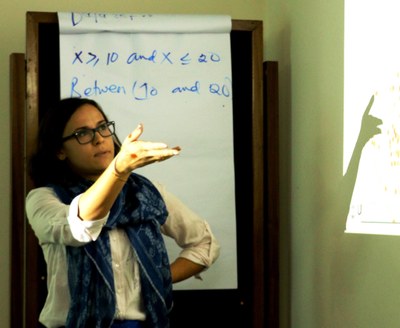
"The process of developing an evaluation plan, in cooperation with a group of stakeholders, fosters collaboration, a sense of shared purpose, and transparency, thereby ensuring that stakeholders are on the same page about the purpose, use, and users of evaluation findings."
The purpose of this MEASURE Evaluation workbook is to provide practical advice and activities to facilitate the preparation of a written evaluation plan that is in line with best evaluation planning practices, as outlined by the Joint United Nations Programme on HIV/AIDS (UNAIDS) HIV Monitoring and Evaluation Reference Group, United States President's Emergency Plan for AIDS Relief (PEPFAR), and the United States Agency for International Development (USAID). Although this workbook was developed in the context of evaluation planning for HIV programmes, many of the stakeholders involved in the pilot and field applications were from other sectors, including: the military, police, education, prisons, and social work; donor and implementing agencies; and civil society and advocacy groups.
The impetus for the resource is the belief that a written plan that is developed, agreed upon, and adopted by stakeholders is an effective tool for ensuring that time and resources are not wasted, and that information is available to answer a programme's core questions. Intentionally planning the collection, analysis, and use of evaluation data to measure performance - especially when different stakeholders own the data - can yield evidence of how and why programmes are or are not working. An evaluation plan is a means to organise evaluation activities as they are connected to outputs, outcomes, and impact. Extensive field testing of the process can assure that that users will produce a complete evaluation plan that is wholly owned by the stakeholders who participate in the process.
This workbook describes a six-step process for developing a written evaluation plan: (1) engage stakeholders, which may involve conducting a series of meetings, achieving virtual consensus, and/or conducting individual consultations; (2) know your programme; (3) know your evaluation needs; (4) select the evaluation design; (5) draft the evaluation plan; and (6) ensure use. Each chapter of this workbook is composed of two parts: a description of one of the six steps, and companion worksheets to facilitate the process and organise information. Sample documents and additional resources are provided in the appendices.
Publishers
68
MEASURE Evaluation website, December 12 2017. Image credit: MEASURE Evaluation
- Log in to post comments