
























Development action with informed and engaged societies

After nearly 28 years, The Communication Initiative (The CI) Global is entering a new chapter. 

Following a period of transition, the global website has been transferred to the University of the Witwatersrand (Wits) in South Africa, where it will be administered by the Social and Behaviour Change Communication Division. Wits' commitment to social change and justice makes it a trusted steward for The CI's legacy and future. 

On the transfer, co-founder Victoria Martin expressed her pleasure to see this work continue under Wits' leadership, knowing that co-founder Warren Feek (1953–2024) would have felt deep pride in The CI Global's Africa-led direction. 

As Wits, we honour the team and partners who sustained The CI for decades and look forward building from that strong base. This includes co-founders Warren Feek (1953-2024) and Victoria Martin as well as La Iniciativa de Comunicación (CILA), which continues independently at lainiciativadecomunicacion.com with links to The CI Global site. We are also eager to forge new partnerships and entertain new ideas as we consider how best to contribute to social and behaviour change in our rapidly evolving environment.

If you are joining the International Social and Behaviour Change Communication (SBCC) Summit in Panama, please join Wits and CILA on Monday, 22 June, to share your thoughts and suggestion for the relaunch of the Communication Initiative. We will be in Pacifica 5 from 12-1:25 for the Refuel, Reflect, and Renew Lunch Series: The Communication Initiative: celebrating a driving force for Communication for Social Change and the way forward. We will reflect on the legacy of Warren Feek and family in creating the Communication Initiative, consider the contributions of CI over the years and then turn our attention towards the future in this dynamic session. 

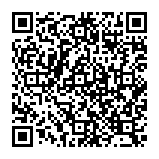
If you are unable to join us in Panama, we still want to hear from you. Please contribute your thoughts by following this link: https://redcap.link/CommunicationInitiative2026 or reaching out to ci_surveys@commint.com

You can also follow the QR Code:

 https://redcap.link/CommunicationInitiative2026

Time to read
1 minute
Read so far

Freedom of Information Bill and Training
0 comments
Image
Your Blog
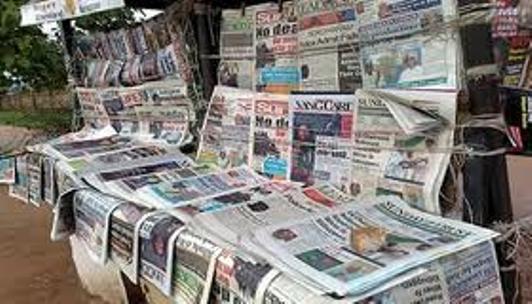
The passage of the Freedom of Information Bill in Nigeria is the right way to go. It will provide constitutional guarantee for Nigerians to access information, unearth corruption, expose wrongdoing and catalyse development.

Take South Africa for instance. Since it passed the bill, its media has become more robust than at any time in its history. Even as the chorus of anti-media sentiment from the government persists, the media emerges stronger rather than weakened.

But I wonder whether journalists and civil society people in Nigeria are prepared enough for the bill. Do they have the capacity to use it to promote peace, stability and democratic institutions ahead of the challenges of the next few years?

We have seen many cases of information abuses. Some media workers, including journalists, engage in illegal and unprofessional acts of demanding for and receiving gratification from individuals and groups seeking media access, reinforcing already deep-seated societal divide.

Is it not time for media workers in the country to receive specialised training on the about-to-be-passed bill to ensure effective use for agenda-setting and development?

I know Nigerian media workers face challenges.  Since media owners find it difficult to pay wages due to economic stress, workers are forced to work for several months without pay. They may not concentrate on any training programme due to financial pressure..

The large number of print outlets could hamper the project as very many journalists have to be trained.  Then there is the issue of the sharp increase in the number of broadcast stations. It will be difficult to find a private company ready to support the training of so many people.

But South Africa faced challenges as well, yet the media has been able to make significant impact on governance issues. If South Africa can do it, why not Nigeria? It is important Nigerian media workers are exposed to possibilities of using the bill to intensify dialogue on the country's development. If they set agenda for politicians, Nigeria will witness more transparency and accountability.