










































Fair Play Campaign
The FIFA Fair Play Code encapsulates the 10 core sporting, moral, and ethical principles to which FIFA is committed. They reinforce the sense of fraternity and cooperation among the members of the worldwide football family.
The FIFA Fair Play Award is given to the team with the best record of fair play according to a points system and criteria established by the FIFA Committee for Fair Play and Social Responsibility. FIFA awards the winning team a trophy, medals, a diploma, and US$10,000 for a supply of equipment to be used exclusively for youth team development in their country. The annual FIFA Fair Play Award is presented at the FIFA World Player Gala.
FIFA Fair Play Day was called into being for the first time in 1997, and it has taken place annually since. In dozens of countries all over the world, various events are held but are mainly local events and tournaments for children and youngsters - from grassroots to professional football. All FIFA member associations, plus their leagues and clubs, are asked to unite in support in words and action on and off the pitch to show the spirit of fair play. Activities directly run by FIFA include:
- National Fair Play campaigns with the aid of distributed FIFA Fair Play items;
- FIFA Fair Play flags on stadium and pitch;
- Fair play video clips for stadium giant screens;
- Release of a declaration by team captains, who promote the fair play message to fans;
- Stadium announcement of FIFA Fair Play Day celebration;
- Media releases and press conferences;
- Participation of players in delivering messages; and
- Distribution of FIFA Fair Play items among media representatives and guests in stadiums.
In 2004, the FIFA Fair Play Day was held for the first time on September 21, to link its events to the United Nations International Day of Peace. FIFA encourages its member associations to commemorate the Day of Peace by gathering around a football pitch, highlighting the values of Fair Play, and reminding the football family of the meaning of peace and the need for commitment to its realisation. Since 2004, the FIFA Fair Play Day has been held throughout the week of September 21 to enable all FIFA member associations to incorporate the related activities into the football structures of their respective countries.
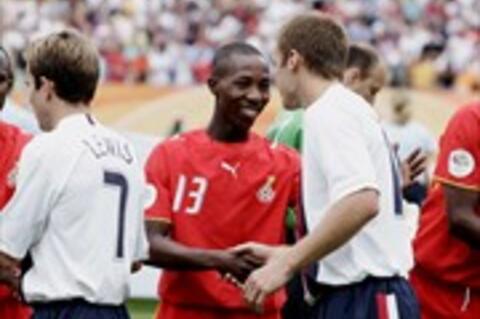
In 2003, the FIFA Executive Committee approved an addition to FIFA's Fair Play strategy: Handshakes were to be exchanged not only before kick-off but also at the end of each match. Amongst the objectives of the 2-minute post-match procedure is the guarantee of an "official" end to the proceedings through a gesture that shows mutual respect, that is in the true spirit of the game, and that enables players to communicate a sentiment like the following to the fans: "Despite a hard battle, emotions, disappointment or frustration, look, we are still friends, We are thanking our opponents and the match officials for a good game and have accepted the result. So, stay calm, and remember that no matter what is at stake in a match, it is ultimately only a game to be contested in accordance with the Laws of the Game and not to be dwelled upon once it reaches its conclusion and we leave the pitch."
Peace.
FIFA website, August 6 2009.

- Log in to post comments