










































COVID-19 Vaccines: Safety Surveillance Manual - COVID-19 Vaccine Safety Communication Module
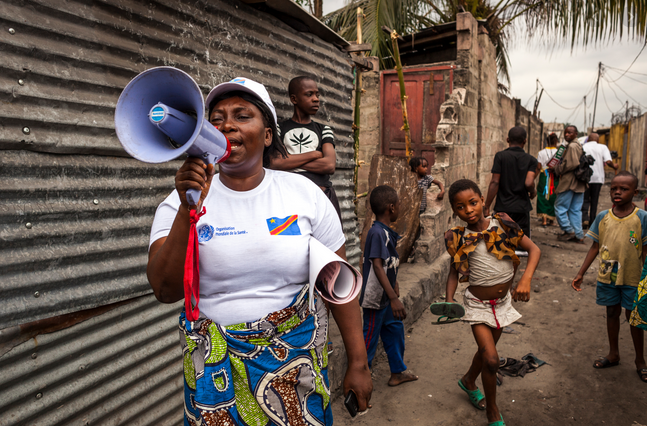
"Communication about COVID-19 vaccine safety will play a key role in maintaining the public's confidence in vaccination."
According to the World Health Organization (WHO), the goal of vaccine safety communication should be to empower people to make evidence-informed choices about COVID-19 vaccination, to encourage trust in health authorities and those delivering vaccines, and to facilitate access to timely, accurate, and credible information about vaccination safety. This module, which is part of a WHO safety surveillance manual, provides recommendations for risk communication for COVID-19 vaccines from a programme perspective.
It includes:
- A description of factors that influence people's perceptions of vaccine safety (e.g., individual knowledge, attitudes and beliefs, social networks, messages about vaccine safety, communication environment, cultural and religious influences, organisation of health services, and expectations created by political leaders).
- Case studies of past experiences with previous pandemics and vaccine safety issues (e.g., listening to community feedback - Guinea, 2014).
- A synthesis of evidence and recommendations for communication from risk communication - e.g.,
- Plan and prepare prior to vaccine introduction.
- Set up lines of communication.
- Identify potential threats to confidence in COVID-19 vaccine safety.
- Listen proactively.
- Communicate in ways that build understanding and trust.
- Construct messages about COVID-19 vaccine safety using an evidence-based approach.
- Pre-test messages with representatives of intended audiences and adjust as needed.
- Work closely with the media.
- Build a social media presence.
- Carefully manage negative messages.
- Prioritise responses to vaccine safety issues (with criteria).
- Hypothetical scenarios that apply these recommendations to the COVID-19 vaccine context (e.g., false rumours in the roll-out phase).
The appendices include more detailed, in-depth guidance, links to further resources, and answers to frequently asked questions about COVID-19 vaccines. For example, appendix 5.5 focuses on guidance on social listening, including methods and strategies for listening online and on social media.
Some of the key action points to emerge:
- Tailor messages to suit specific audiences, barriers, and enablers, to ensure they are relevant and engaging.
- Pre-test messages to assess their impact with people, even just a small group, who are representative of the intended audience.
- Integrate the communication team into vaccine safety planning and decision-making activities.
- Establish partnerships with other vaccine safety stakeholders to ensure coordinated information sharing and dissemination.
- Identify and monitor for potential threats, as a poorly managed incident concerning a COVID-19 vaccine safety issue will attract negative public attention.
- Establish relationships with journalists and engage with them regularly (e.g., brief them regularly and support their information needs to help reduce sensationalist reporting).
- Use social media to communicate regularly to the public and give realtime updates about COVID-19 vaccine safety.
- When assessing the level and scale of response to (the inevitable) negative claims about COVID-19 vaccine safety, take into consideration resources and opportunity costs and the potential impact of the claim.
Along with the module is a training manual that covers:
- Factors influencing vaccine safety perceptions;
- The Vaccine Safety Net (VSN) and its role in COVID-19;
- Recommendations for vaccine safety communications for COVID-19;
- The impact of negative messages and addressing them; and
- 8 hypothetical Scenarios and examples of responses to them.
56 (module); 30 (training manual)
WHO website, accessed on March 15 2021. Image credit: WHO/Eduardo Soteras Jalil
- Log in to post comments