Conflict Resolution in Indonesian Prisons
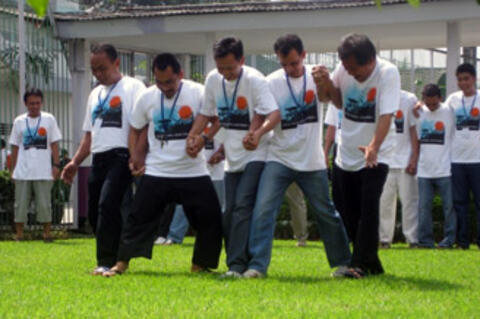
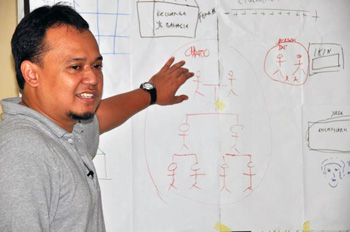
Interpersonal communication is used here to teach people how to make the switch from destructive behaviour to constructive behaviour. The trainings, which include role playing, games, and skills building, tackle sensitive subjects such as identity, conflict, strength, emotions, communication, culture, and anger. These activities are designed to help the inmates: examine why they used violence in the past; look at the consequences of their actions; find possible alternative nonviolent solutions; respect differences; and make positive choices. The purpose is to enhance self-esteem and non-violent life skills.
SFCG is also conducting trainings and workshops to build the capacity of the Academy of Correctional Institutions staff, as well as for prison guards at the prison locations where the inmates received trainings, in conflict management.
Conflict.
According to SFCG, most of the prisoners come from a background of poverty, making them vulnerable to recruitment by gangs and radical organisations. Indonesian security forces are therefore emphasising this new type of training to help counter the influence of radical leaders in prisons.
Inmate Edi Pumaman, in prison for domestic violence, said the trainings have opened his mind and broadened his point of view. "I can manage my emotions now. Now I can understand why problems have developed." Programme Manager Agus Nahrowi in SFCG's Indonesia office said, "Based on the training evaluations, inmates' self confidence greatly improved and they showed positive responses when confronted with conflict."
Institute of International Peace Building, Legal Aid Institute, and Directorate General for Corrections.
SFCG July Update; and SFCG website, August 4 2010.