










































Combatting Corruption through Participatory Video
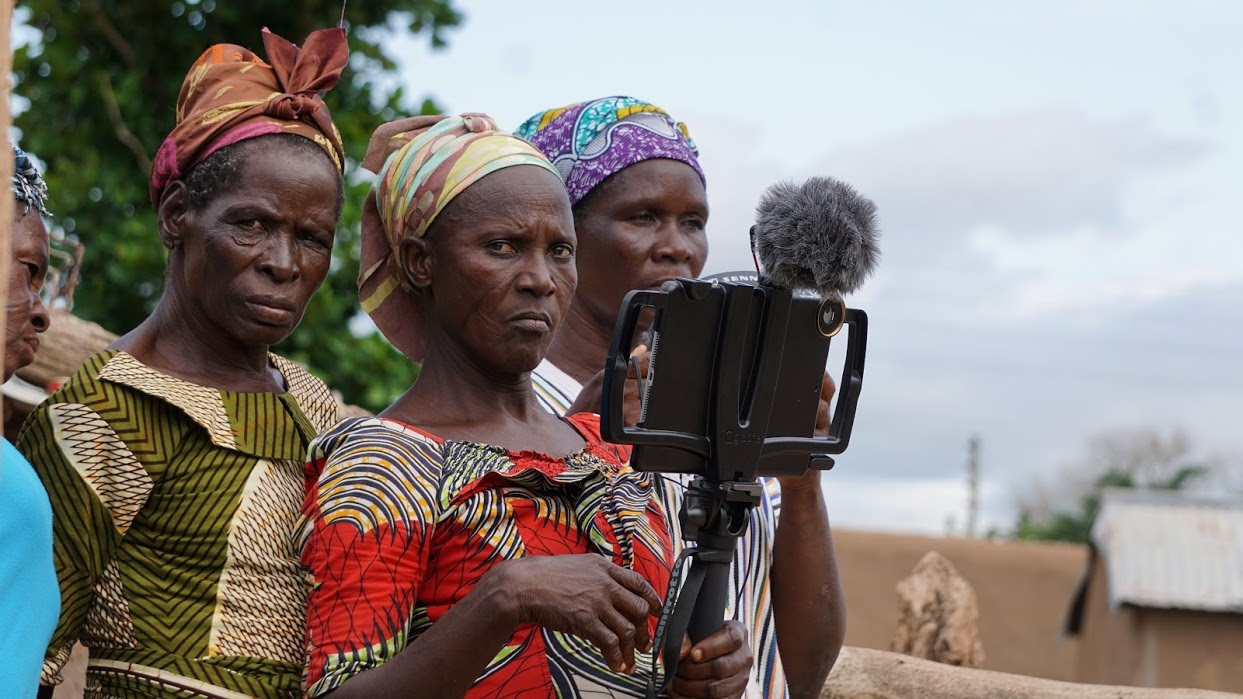
"The lived experiences of the women and men affected by corruption and the impact on entire communities, cultures and ecosystems are all-too-often absent from the anti-corruption conversation. Overcoming the apathy of citizens towards the corruption that corrodes society and thwarts development - often tolerated as intractable or accepted as inevitable - requires people everywhere to be informed and empowered to take action."
This guide was developed to assist participatory video practitioners to undertake corruption-focused projects and to encourage its uptake within the anti-corruption movement worldwide. It is the result of 10 years of collaboration between the non-governmental organisations (NGOs) InsightShare and Transparency International on projects with citizens worldwide. It includes examples of how participatory video has been used to fight injustice in different contexts across Africa and Asia, including a community displaced by diamond mining, young people excluded from poverty eradication strategies, widows made landless by customary leaders, and island residents threatened with forced evictions by land grabbers.
Participatory video is a form of community media that engages citizens in the processes of investigating and documenting their circumstances, devising solutions, and advocating for change. It has the potential to provide time and space for group to investigate and document their issues related to abuse of power, enabling their voices to be heard by stakeholders and decision-makers and helping to reinforce social accountability between duty-bearers and rights-holders. Ultimately, participatory video enables the exchange of information between people horizontally, which builds trust in the video's veracity and increases the likelihood of influencing the audience's perceptions and behaviour.
The first chapter is devoted to the project development phase. It includes advice and guidance to anyone considering using participatory video (within the context of anti-corruption work), together with recommendations for key elements in the planning stage. Subsequent chapters explore techniques for facilitating corruption-focused projects - from the workshop stages through to fieldwork and audience engagement. A collection of detailed case studies concludes the guidebook. These describe the participatory video projects implemented by InsightShare for Transparency International, together with an extra case study from a project that addressed corruption in the school system implemented by the India-based organisation Video Volunteers.
While the focus is on addressing issues of corruption, many of the ideas and approaches could be useful to practitioners working in other areas. For example, the sections on Choosing Participatory Video, Participant Selection, Project Structure, and Free, Prior and Informed Consent may be relevant to a wide range of projects.
62
Email from InsightShare to The Communication Initiative on March 12 2019; and "How Video Can Empower communities and Be a Tool for Change", by Chris Lunch. Image credit: © Gareth Benest, InsightShare
- Log in to post comments