










































Coding Rights
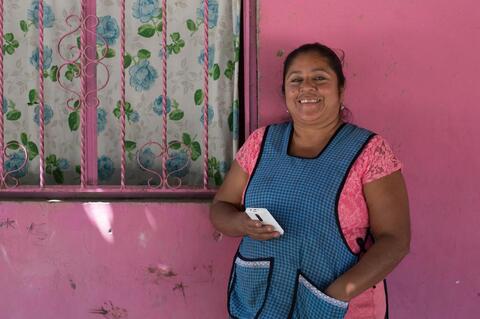
A collective of Latin American women and coders who joined forces in 2015 to create Coding Rights, a "think and do tank" in Brazil, is working to create a more welcoming Web by addressing fundamental human rights challenges and imbalances of power online. According to the group of activists, the gender inequalities that exist offline are replicated on the internet. The Rio de Janeiro-based project works globally to promote the perspectives of various users in digital technologies, specifically the perspectives of women, lesbian, gay, bisexual, transgender, two-spirited, queer, and intersex (LGBTTQI) individuals. Ultimately, this project seeks to banish patriarchal attitudes from online environments and to enforce the rights of all people, particularly women and LGBTTQI.
According to founding director Joana Varon, "Queering both the policy and the hacking scenes with creative feminist approaches to technology has been our tactic to flag and try to redress practices of sexism, surveillance, censorship and digital colonialism. The idea behind our daily activities is to use code, art, and fun to promote rights in the digital environment, and we do that with particular lenses on power imbalances based on gender and in the global North-South relationship."
Coding Rights promotes cyberfeminism with strong race and class components. They believe that the most interesting cyberfeminist initiatives are driven by women whose perspectives question assumptions about their bodies and identities, the official scientific discourse, and the urgency of decolonising technology. They are perspectives that they feel should prevail in a fair digital environment that consciously considers power imbalances.
Examples of initiatives Coding Rights is working on to promote the critical use of digital technologies and the rights of the LGBTTQI community in the digital ecosystem include:
- The Chupadados platform, where Coding Rights gathers stories of mass surveillance of people's everyday lives. This surveillance is usually facilitated by our permanently connected electronic devices. Organisers use the Chupdados platform to address issues such as data extractivism in fertility and dating apps; the use of espionage balloons or other devices to monitor cities; and personalised control of transport cards, among others. The purpose of sharing these stories is to raise the general public’s awareness of the types of information we provide to corporations. Coding Rights also supports the platform Radar Legislativo by filtering and tracking all digital rights-related bills being drafted or discussed in Brazil’s two legislative houses. The system issues alerts and provides information on any modifications to these bills. The platform can be customised for other human rights movements that also want to track important legislation.
- Safer Nudes, a tongue-in-cheek manual that encourages safe and consenting practices for sexuality online. Using the meme "send nudes!", this small project aims to spread the word about digital security for the average user - who is not necessarily tuned to the specifics of the digital security debate. The manual also discusses post-porn aesthetics and strategies for combating gender inequalities online, including practices such as "revenge porn", doxxing, cyberbullying, etc. This is part of Coding Rights' efforts to help local women activists in Brazil protect themselves online, particularly from practices that may leave them open to exploitation.
- Oficina Antivigilância, which aims to foster an informed network in the digital era through digital security workshops, participating in public debates, publishing the newsletter Antivgilancia, and developing links with national, regional, and international civil society organisations.
To read about more Coding Rights projects, click here.
Women, Rights, Technology
Coding Rights believes that there is blatant inequality online, and that power imbalances are obvious. This belief guides the issues they work on, including online violence against women or the low participation of women in the development of internet services and public policies. Even members of the Coding Rights team have had to deal with harassment simply for wanting to raise the issue of gender inequalities.
Coding Rights explains that Latin America and the Caribbean have a history of dictatorships and neoliberalism - contexts that have favoured conservative scenarios where women and LGBTTQI individuals are stripped of their rights. Yet this same context has allowed for the emergence of rebel and radical groups that now play roles within the global feminist context. These groups have created support networks to advocate for safe abortion, to promote sexual freedom using technology, and to fight against femicide in the region.
Coding Rights received the 2017 Regional Fund for Digital Innovation in Latin America and the Caribbean (FRIDA) Award for Women in Technology. Jurors selected this project as the winner of the award for its outstanding efforts to integrate a gender vision in the digital rights debate.
Funded by the International Development Research Centre (IDRC)
"Fostering an Internet for women's empowerment", IDRC (October 23 2017); "FRIDA 2017 Awards: Coding Rights, Promoting Cyberfeminism", LACNIC Internet Community Newsletter, December 2016 Edition; Coding Rights - all accessed on November 27 2017; and email from Carolina Caeiro to Liane Cerminara on November 20 2017 (sent to The Communication Initiative on November 21 2017) and from Liane Cerminara to The Communication Initiative on December 7 2017. Image credit: IDRC / James Rodriguez
- Log in to post comments