










































Change the World: A Toolkit for Citizen Journalists
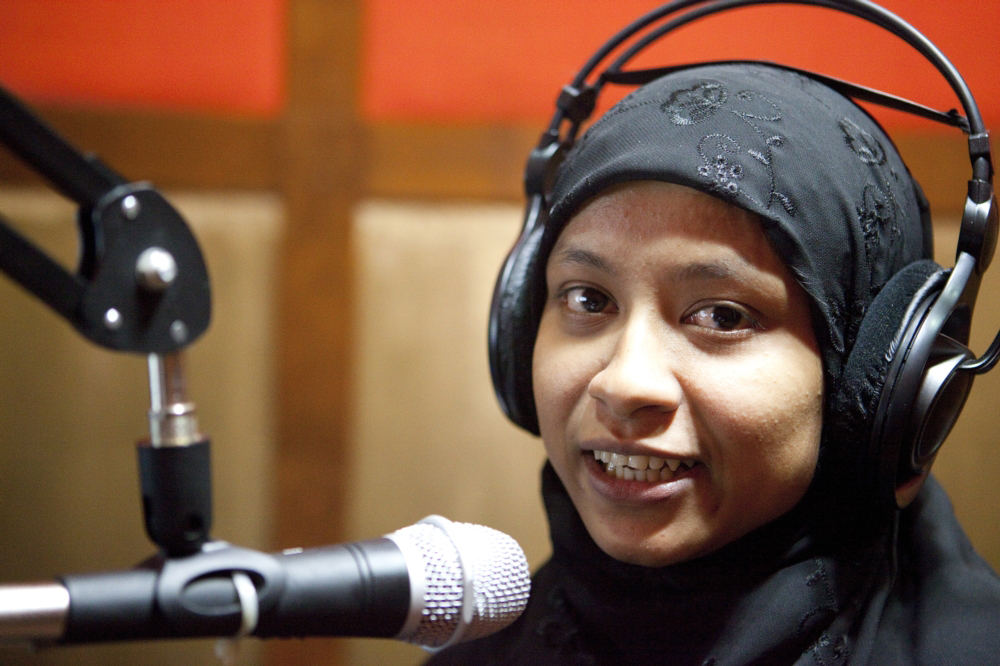
"Citizen journalists are playing an increasingly important role reporting on sensitive issues, such as HIV, particularly in countries where free speech and media access is limited."
This training guide from the Key Correspondents network intends to help citizen journalists around the world increase their impact in giving a local perspective on national and international issues related to sexual and reproductive health and human rights. It brings together journalism skills and advocacy goals to help citizens share their perspectives and experiences with decision makers and wider audiences to influence the discourse around HIV and related issues.
The self-study guide is designed to help lay the foundation for civil society advocates to speak out by introducing the basic components of journalism so that they can write their stories with accuracy and using a journalistic approach to improve the potential of being published in mainstream media. Each module contains a number of exercises; correspondents are invited to send their completed exercises to [email protected] to receive feedback. Modules include:
- Advocacy and the media - topics include: how citizen journalism can influence decision makers and create change; how to write strong stories that support an advocacy campaign strategy; how to identify and communicate with your audiences; how to develop compelling messages and write relevant stories; how to pitch stories to a media outlet.
- Writing news - topics include: how to construct a basic news story; how to write an effective lead; how to create a compelling headline; how to quote sources; how to proofread and edit your work.
- The art of the interview - topics include: how to identify sources; how to prepare for an interview; how to conduct an interview; how to close an interview.
- Journalism and ethics - topics include: how to follow ethical guidelines in your reporting; how to avoid charges of plagiarism and defamation; the difference between copyright and creative commons.
- Blogging - topics include: what a blog is and how blogging has changed the media landscape; how blogging can drive global conversations and social change; different ways of telling stories and developing your voice; how to write for the internet; how to build your audience.
- Reporting on HIV - topics include: preferred terminology for reporting on HIV; how to avoid language that stigmatises people.
- Sexual and reproductive health and rights - topics include: terminology used by professionals working in reproductive health and HIV services; why integration of sexual and reproductive health with HIV services makes sense; the need to concentrate efforts on improving women's reproductive health; basic facts for informed reporting on reproductive health and HIV.
- Social media - topics include: why social media is a vital tool for citizen journalists; Twitter: why, how and when to tweet; Facebook: why, what and when to post; YouTube: why, what and how to post; the potential of other social media tools.
- Photography - topics include: why photography is important in telling your story; the basics of taking a good photo; how to manage your photos; the ethical issues of photojournalism.
Members of the citizen journalist network Key Correspondents come from diverse backgrounds, including medicine, health programming, teaching, journalism, policy, and advocacy. Many of them have been personally affected by HIV. Their stories are published on the network's website as well as in local, national, and international media outlets.
Publishers
92
Email from Sarah Oughton to The Communication Initiative on February 5 2014; and "New Publication Helps Citizen Journalists Change the World", by Sarah Oughton, February 4 2014. Image credit: © International HIV/AIDS Alliance
- Log in to post comments