











































Building a Movement Mindset: Guide for Civil Society Organisations
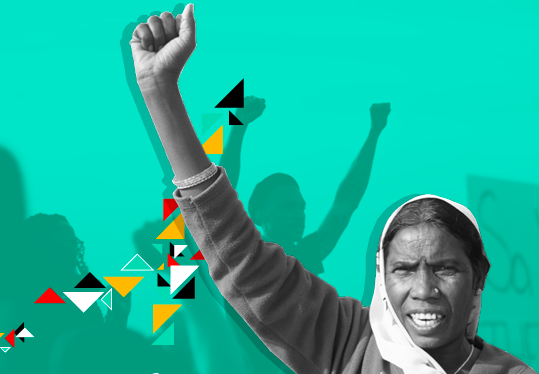
"By embracing a movement mindset, CSOs can become genuine allies, catalysts for change, and driving forces behind the collective pursuit of a more just, equitable, and transformative world."
The purpose of this guide is to help civil society organisations (CSOs) and other institutions change their organisational culture and practice to better understand and support social movements so they can achieve systemic change together. It is intended for CSOs that are initiating (or considering initiating) support to social movements, as well as donors and others who want to learn about social movement support and how to best support social movements as external allies.
In particular, the guide is designed to provide a clearer understanding of:
- The nature of social movements and why organising and people power are important change strategies;
- Multiple ways to engage with and support social movements;
- The changes in organisational culture and practice needed to support social movements while avoiding compromising the movements in the process; and
- Their own motivation and ability to work with social movements.
The chapters of the guide are as follows:
- Why This Guide and Why Us?
- The Potential of Social Movements
- How to Define a Social Movement
- Organising as a Strategy for Change
- Basic Considerations When Engaging with Social Movements
- Organisational Change Is Complex and Takes Time
- What Does Movement Support Look Like?
- The Life Cycle of a Movement
- Common Concerns and Dilemmas When Engaging with Social Movements
- A Roadmap for Building a Movement-minded Culture
The guide was created and authored by the Global Social Movement Center (MOVE), which supports social movements directly through regional hubs as well as engages CSOs and others in becoming better movement allies. ActionAid Denmark, Global Platform El Salvador, ActionAid India, and ActionAid Nigeria provided particular support to the guide, leveraging more than a decade of experience in supporting youth-led activism and social movements globally and nationally.
This guide is accompanied by "The Building a Movement Mindset Toolbox", which offers a practical roadmap for action and is designed to empower CSOs to adapt their organisational culture, practices, and strategies to better support social movements. The toolbox provides the following explanation for the need for a "movement mindset": "In a rapidly changing world where transformative change is more essential than ever, Civil Society Organizations (CSOs) find themselves at the forefront of advocating for social progress and justice. To truly drive systemic change, CSOs are increasingly recognizing the power of aligning with social movements. This shift requires more than just collaboration - it demands a fundamental transformation in mindset. The concept of a 'movement mindset' embodies the ethos of collective action, grassroots empowerment, and shared values. It encompasses the understanding that social movements are dynamic forces that drive change from the ground up, and CSOs have a unique role in supporting and amplifying their impact. Building a movement mindset within CSOs is not only about fostering partnerships but also about adopting the principles and dynamics that propel social movements forward."
The toolbox consists of a set of nine tools that outline the core elements of cultivating a movement mindset within CSOs. For each tool, it offers information and exercises that help organisations to understand the "why", "what", "who", and "how" related to the issue or activity being addressed in each tool. The tools are as follows:
- Motivation and goals for a movement mindset
- Context analysis on social movements
- Strategic analysis and scoping of movements
- SWOT [Strengths, Weaknesses, Opportunities, and Threats] on organisational assessment of building movement mindset
- Movement cycle support analysis
- Risk assessment, mitigation and contingency
- Safeguarding as culture
- Financial guidelines for working with movements
- Tracking movement support and impact
Publishers
Global Platforms Network for Youth-led Activism website on August 8 2024. Image credit: Jeremy Bishop on Unsplash
- Log in to post comments