










































ARTICLE 17: A Campaign to End Untouchability
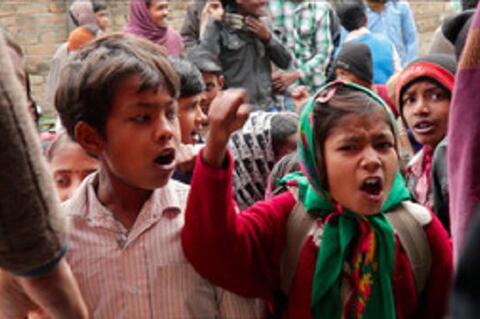
Community correspondents across India are documenting video testimonies of different forms of untouchability - the social practice of ostracising a minority group by segregating them from the mainstream by social custom or legal mandate. The 22 videos produced to date are part of ARTICLE 17, an advocacy effort launched by Video Volunteers on April 14 2012.
Community correspondents across India have spent months documenting untouchability practices in their local areas. According to Video Volunteers, because they are from the community, they have been able to capture intimate images rarely witnessed by outsiders. "As a child, I had experienced untouchability at school where I was forced to sit and eat separately from the children of 'upper caste' families," says 24-year-old Community Correspondent Neeru Rathod from Limbdi village in Gujarat, one of the many activists trained by Video Volunteers and is part of the project. "We wanted to give viewers the responsibility, as witnesses, to end this age old oppression once and for all." Watch all the ARTICLE 17 videos here. The videos were also broadcast on CNN IBN and on NewsX, throughout the day as part of the daily news bulletins.
Citizen participation is part of this human rights initiative. People around the world are asked to sign an online petition to the National Commission for Scheduled Castes, the government body that is constitutionally appointed to direct and implement the safeguards against untouchability. Click here to sign it.
Rights.
According to Video Vounteers, Indian society has been historically organised by a rigid caste structure. At the time of independence in 1947, the architects of India's constitution outlawed caste-based discrimination. Yet these strict delineations persist today. At local and national levels, caste-based identity politics remain central in the allocation of power and resources. Beyond caste, tribal, communal, and religious groups add an equally important layer to India's social fabric.
April 2013 update, in the words of Video Volunteers: "Despite having received multiple appeals and communications from Video Volunteers on this issue, NCSC continues to ignore the 30 powerful videos which document instances of children segregated along caste lines in schools, Dalits forced to work in dangerous professions like manhole and sewage cleaning, and Dalit women forced to remove slippers as they crossed upper caste neighborhoods....Over 2700 people have watched these videos and signed online petitions [that clearly document evidences of continuing caste-based oppression from over 13 states across the country] which were sent to the inbox of NCSC chairperson Dr. P.L. Punia. Hard copies of the petition, signatures and the video evidence were also sent to the NCSC office three times....A fax sent in April 2012 to familiarize NCSC on the campaign was registered as diary entry '267/12' which was later claimed to have been displaced....Video Volunteers has filed a Right to Information (RTI) petition to this effect."
Video Volunteers April 2012 Newsletter, sent to The Communication Initiative on April 13 2012; IndiaUnheard website, June 27 2012; and email from Stalin K to The Communication Initiative on April 11 2013.
- Log in to post comments