










































Field Guide: Three Star Approach for WASH in Schools
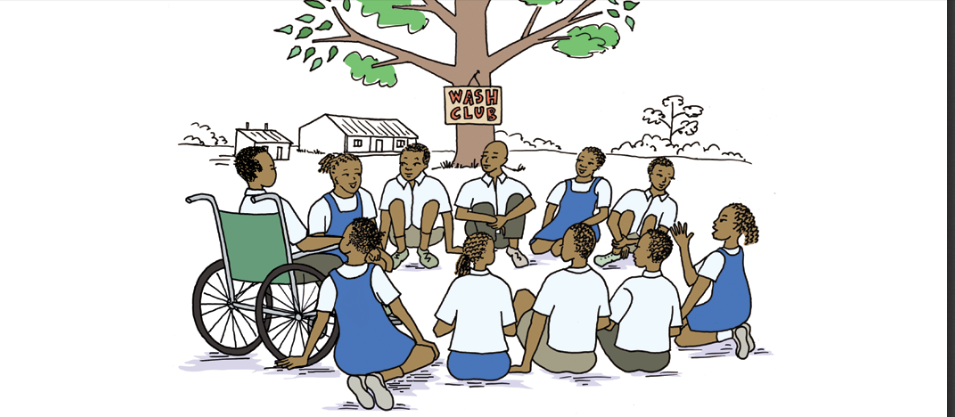
"The Three Star Approach for WASH in Schools is designed to improve the effectiveness of hygiene behaviour change programmes for children and complements UNICEF's broader child-friendly schools initiative and GIZ's 'Fit for School' approach, which promote safe, healthy and protective learning environments."
This field guide is designed to explore the Three Star Approach in an effort to ensure that healthy habits are taught, practiced, and integrated into daily school routines. In the Three Star Approach, developed by the United Nations Children's Fund (UNICEF) and Deutsche Gesellschaft für Internationale Zusammenarbeit (GIZ) GmbH, schools are guided to take simple steps to make sure that all students wash their hands with soap, have access to clean drinking water, and are provided with clean, gender-segregated, and child-friendly toilets at school every day. A fundamental principle behind the approach is that expensive water, sanitation and hygiene (WASH) infrastructure in schools is not necessary to meet health goals.
Group activities drive this incremental, participatory approach, beginning with daily, supervised group hand-washing sessions that are designed to reinforce the habit of good hygiene behaviour. This strategy uses the positive power of social norms and peer encouragement to strengthen healthy actions. The sanitation and water components of the Three Star Approach are also centred on group activities on a daily basis. For sanitation, the focus is on keeping existing toilets clean through a daily routine. For water, teachers set up an arrangement in which children have their own drinking-water bottles or containers, filled with water from home and brought to school, or filled from a safe source at school.
Once minimum standards are achieved (a "no star school" has limited or no hygiene promotion and may or may not have WASH infrastructure), schools can move from one star (daily routines are in place to promote healthy habits) to two stars (incremental improvements are seen, such as hygiene education and facilities to promote hand-washing with soap after toilet use) to three stars (national standards have been met) by expanding hygiene promotion activities.
Having described the approach in detail, with specific instructions for each of the "star" school categories, the field guide explores strategies for managing the approach, including topics such as the role of government and external support partners ("The Three Star Approach involves changing the way WASH in Schools programming is perceived by schools, communities, and decision makers in government and support agencies.") and the importance of recognising and rewarding achievements when it comes to monitoring and certifying schools.
Following a conclusion section, annexes look at evidence linking WASH in schools to health and educational performance, amongst other areas of focus.
Editor's notes:
- A related video may be viewed below.
- Click here to read "Water, Sanitation and Hygiene Are Essential for the Health of Our Children", a blog entry by Karen Allen from the UNICEF East Asia and the Pacific Regional Office (EAPRO) that describes a pilot project applying the Three Star Approach at schools in Fiji.
Publishers
32
The Global Public-Private Partnership for Handwashing website, accessed on July 28 2015.
- Log in to post comments