










































Using Media Freedom Indices in Media Development: How the Different Information Tools Can Be Used
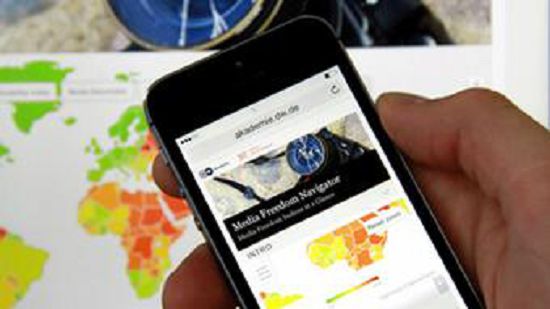
"Media freedom rankings reveal much about the state of the media around the world. That makes them popular with media development organizations and donors needing to decide where to invest their resources. But this entails knowing what kind of information press freedom indices actually supply and what the shortcomings and biases of each index are. It also means understanding how this information can be used in the field of media development - and how not to use it."
This DW Akademie publication gives insight into how the top 5 media freedom rankings are produced, what their strengths and weaknesses are, and how media development organisations can use each index to inform their work.
- The Freedom of the Press Index by Freedom House
- The Press Freedom Index by Reporters Without Borders
- The Media Sustainability Index by International Research & Exchanges Board (IREX)
- The African Media Barometer by the Friedrich Ebert Stiftung
- The Media Development Indicators by the United Nations Educational, Scientific and Cultural Organization (UNESCO)
Intended to serve as an easy-to-read overview for those working in media development, the resource also provides useful lists of additional data, reports, maps, and other information and tools accompanying the release of the following individual indices. There is also analysis of how each media freedom index and its accompanying informational material can be used in the following 4 media development contexts:
- Selection of countries
- Problem analysis
- Strategy development
- Monitoring and evaluation
As shown in the resource, the different tools are of varying significance for the relevant purposes within the media development context: While some measures mainly supply general data that provide a broad overview, others publish fewer information tools but more detailed information about specific aspects. "In summary, the presented media freedom assessments should never be used as the only source of information. Rather, their data should generally be verified and validated against other knowledge sources. This is especially true because of the shortcomings of the indices' methodologies. Especially the two global rankings were developed by a few people mostly from Western countries, and their indicators are evaluated by very few people. In turn, the results of such a small group can be subjective and potentially biased. Hence, media development practitioners should be informed about how the assessments are compiled in order to be able to critically reflect their findings."
The resource builds on a previous DW Akademie study by Schneider investigating the methodology used to compile the 5 assessments of media freedom and the reliability and validity of each index. See Related Summaries, below. You may also be interested in DW Akademie's Media Freedom Navigator, which gives a visual overview of the diverse media freedom indices.
Publishers
14
DW Akademie website, December 2 2016.
- Log in to post comments