










































Securing Trust in the Global COVID-19 Supply Chain
Deloitte
"Trust will be a cornerstone for the successful launch, distribution, and acceptance of vaccines....Those who achieve a strong degree of public trust will have successfully conveyed their humanity and transparency, while meeting uncertainty head-on in the global COVID-19 supply chain."
Development of COVID-19 vaccines has involved cooperation between life sciences organisations, academia, and other healthcare stakeholders around the world. Studies suggest that trust is an underpinning factor for the successful launch, distribution, and acceptance of these vaccines. Product integrity, ethical distribution, and transparent communication are among the factors that Deloitte and GS1 identify as crucial in this report, which explores the steps collaborating organisations can take to secure trust in the global COVID-19 vaccine supply chain.
Efforts to build trust that undergirds vaccine acceptance should begin long before actual launch/rollout of vaccination. As of this writing, there were approximately 4,000 studies underway globally for vaccines and therapies related to COVID-19. Due to the demand for openness and transparency, as noted here, a few companies working on COVID-19 vaccines (e.g., Oxford/AstraZeneca, Johnson & Johnson's Janssen Pharmaceuticals, Moderna, and Pfizer/BioNTech) are providing far greater detail about critical trial protocols than was previously available. Industry cooperation created an opportunity for "real-time" exchange on the scientific, deliberative, and inclusive trial process. Likewise, partnerships in vaccine development and trials with universities or other unaffiliated organisations can foster trust among the public. Early information sharing between all stakeholders, including the pharmaceutical industry, is key to making the process open and transparent - and, therefore, worthy of trust.
The COVAX Facility is coordinated by the Gavi Secretariat, and Deloitte and GS1 argue that these organisations have earned institutional trust, which is "a critical factor in influencing preventive behavior during an outbreak....Past experience with the Ebola vaccine shows that engaging locally trusted leaders and service providers can help to build trust, while a lack of institutional trust and widespread misinformation can undermine vaccine efforts."
The not-for-profit global standards organisation GS1 has developed supply chain standards that enable information to be shared in a standardised way with health authorities and up and down the supply chain - throughout manufacturing, shipping, distribution, and use processes. Traceability, the ability to track forward (and trace backward) the vaccine's movement through specified stages of the extended supply chain, can help ensure the correct product reaches the patient and is able to be trusted. Traceability also helps identify counterfeit products, which should be monitored and prevented to avoid significantly undermining public trust in safe vaccines.
It is important to anticipate alternative administration sites for marginalised populations, according to the report. Vulnerable, remote, and minority populations need to be engaged earlier to earn and build trust. Vaccine manufacturers have been working to educate and engage these members of the public by creating vaccine content especially geared toward those who may be fearful or wary of seeking vaccination at sites that have historically caused mistrust or are deemed unsafe. Planning for a satellite, temporary, or off-site vaccination clinic requires social distancing, masks, and other precautions to protect caregivers and patients and to ensure trust.
Furthermore, culturally appropriate, translated materials for education should be available to clinicians tasked with vaccinations. Collaborating with trusted leaders of culturally diverse groups can help to disseminate information and to reassure people. These communications need to be transparent and include: information on vaccine development, including criteria for approval; strength of the data for each vaccine's safety and effectiveness; and details about how side effects and adverse events will be monitored.
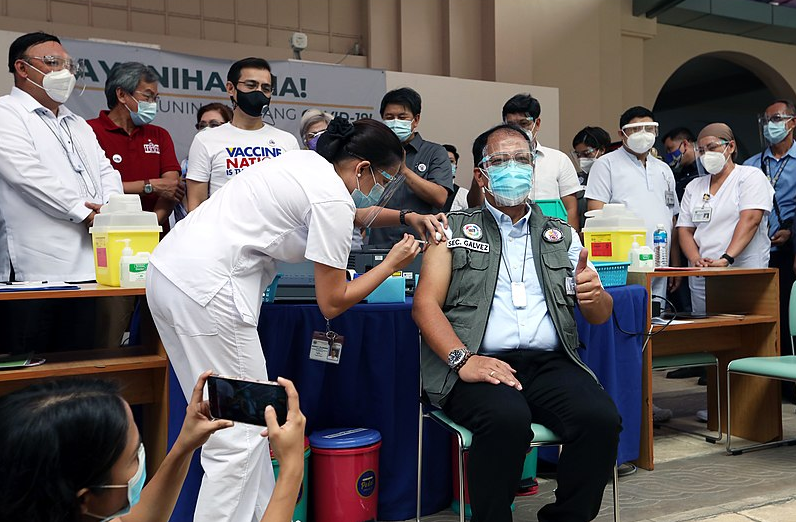
Meanwhile, prominent messaging from anti-vaccination groups and concerns about the speed of the vaccine development process have led to some skepticism of COVID-19 vaccines. Falsified or substandard products, as well as unexpected side effects or serious adverse events, may increase doubts even more and could be very dangerous. Trends in public sentiment around the globe are being tracked by the Vaccine Confidence Project at the London School of Hygiene and Tropical Medicine (LSHTM). This project seeks to monitor public confidence in immunisation programmes by listening for early signals of public distrust. With that information, tailored strategies can be developed. For example, trusted voices and public/publicised immunisation of community leaders and celebrities can be leveraged to encourage members of the public to accept vaccination.
To inform these communication efforts, Deloitte and GS1 argue that public health authorities should fund research and innovation to advance the behavioural and social science of COVID-19 vaccine acceptance. Sample strategies include: engagement and support of community leaders; mass media campaigns to build vaccine confidence; and communication training/tools for healthcare professionals. It is already known that people trust those in their networks, and act when they trust the messenger. They are less likely to trust a vaccine if they question the motives of the those advocating for them to take it. According to the Framework for Equitable Allocation of COVID-19 Vaccine, those responsible for vaccination risk communication and community engagement programmes need to have:
- Agility, to respond rapidly to changing circumstances and feedback;
- Competence, to apply relevant risk communication research;
- Diversity, to involve varied perspectives; and
- Independence, to secure trust and provide candid feedback.
Experts say that communications developed for the public need to be consistent with evidence and tested before being disseminated. Otherwise, trust can become compromised.
In conclusion: "Public-private partnerships should be maximized, and community leaders and influencers engaged. Raising immunization levels will depend on product integrity and transparent, culturally appropriate communications. Public health authorities will need to reduce vaccine hesitancy and build vaccine confidence. Public trust is paramount."
Click here for the report in French (23 pages, PDF).
Click here for the report in Spanish (23 pages, PDF).
Deloitte website, September 27 2021; and GS1 in Europe press release, January 21 2021 - accessed on September 27 2021. Image credit: Joey O Razon via Wikimedia Commons
- Log in to post comments