










































Maternal Influenza Immunization: Lessons From Vaccine Introduction and Use in El Salvador
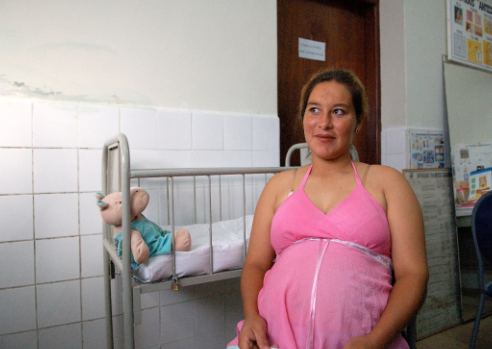
PATH
This publication describes a qualitative study carried out by PATH to examine the use and acceptability of maternal influenza immunisation in El Salvador. It documents lessons learned, including the vaccine policy decision-making process, the operational implications of vaccine delivery for pregnant women, and perceptions and concerns about the disease and the vaccine among community members and health workers. It identifies both successful strategies as well as challenges to vaccine uptake, and offers recommendations for countries considering the introduction of maternal influenza immunisation.
As detailed here, in 2006, El Salvador joined several other Pan American Health Organization (PAHO) countries by inaugurating a maternal influenza immunisation programme. They did so in recognition of the effectiveness of this intervention for protecting both mother and infant, who are at increased risk for severe influenza illness compared to the general population, particularly in low-income countries. The World Health Organization (WHO) and PATH formed the Maternal Influenza Immunization Project in 2014 to provide solutions to key barriers related to evidence, regulation, implementation, and vaccine supply.
As one component of the Maternal Influenza Immunization Project, PATH conducted qualitative research from 2015-2016 among 326 individuals from 2 departments in each of the country's 3 regions (Centro [Central], Occidente [West], and Oriente [East], representing rural, semi-urban, and urban areas with varying degrees of access to health care. Researchers organised focus group discussions (FGDs), clinic exit interviews, and key informant interviews with stakeholders across the health system, including pregnant women, male and female family decision-makers, community leaders, public health practitioners, private physicians, programme managers, representatives from key international organisations, health communication professionals, and national policymakers.
This report organises study findings into 3 areas:
Decision-making for seasonal influenza immunisation - The report: details key partners involved in the seasonal influenza immunisation decision-making process; explains what prompted El Salvador to introduce seasonal influenza vaccine; and outlines the data that informed the choice between vaccine formulations. One note here is that the international public health partners interviewed for this study (e.g., PAHO), indicated that advocacy targeting political leaders was central to raising support for seasonal influenza immunisation. Study participants underscored the importance of having the information presented in a format that was accessible to politicians - i.e., less technical than what is standard practice for a specialist audience - and presented in a way that could easily be conveyed to their constituents.
Delivery of maternal influenza immunisation - According to the report, the primary means of delivering the vaccine is through Vaccination Week of the Americas (VWA), an annual, large-scale, public health campaign organised by PAHO member states. Effective advocacy and communication around VWA is credited for the high vaccination coverage reported. The Ministry of Health of El Salvador (MINSAL) and partners create a festive atmosphere during VWA, recruiting high-level politicians and public figures as spokespersons to promote vaccination and investing in high-visibility communication and community mobilisation to emphasise the benefit of influenza vaccination - e.g., for mothers and young children. VWA also presents an opportunity to provide education to the community about overall maternal and child health and related topics. Providing multiple avenues to receive vaccines, including the national vaccination campaign, routine vaccine delivery linked to antenatal care (ANC) services, and in-home vaccination for those not accessing organised services, contributes to El Salvador's relatively high reported influenza vaccine coverage; nationally, 72% of pregnant women received influenza vaccine in 2015. However, there is regional variation in vaccination coverage.
The report outlines challenges specific to maternal influenza immunisation delivery, including annual vaccine forecasting, the potential for campaign logistics to overwhelm basic health service delivery, and difficulties accessing populations living in areas plagued by crime and social violence committed by rival gangs. It is noted that adverse events are tracked through a web-based information system that provides near-real-time information on adverse event trends. Respondents did not mention specifically reporting the findings of serious adverse events back to the local level, but explained that in such cases, MINSAL would provide any necessary information through public media channels.
Community perceptions of maternal influenza immunisation - The report looks at knowledge, priority, perceived vulnerable populations, and acceptance of vaccination during pregnancy. The study found that pregnant women consult eoctors, community health promoters, family members, and female friends for advice about health care during pregnancy; health care workers in particular were reported to be highly trusted sources of health information. According to national-level respondents, when the influenza vaccine was first introduced to pregnant women, MINSAL encountered resistance from a variety of stakeholders. A member of MINSAL explained that initial misunderstandings and lack of vaccine acceptance by health workers (even to be vaccinated themselves) and misinformation in the community directly affected acceptance of the vaccine among pregnant women, and unique advocacy efforts and government actions were required on a number of fronts to allay concerns. These are outlined in the report. Both pregnant women and family members reported that they initially had a negative view of the vaccine due to perceptions that it could cause the recipient harm or exacerbate influenza symptoms. A number of stakeholders reported that acceptance of the vaccine at the community level has increased over time, attributing this in large part to improving the knowledge and attitudes of health workers through targeted education and involving medical societies.
Despite the high antenatal coverage reported in the country, barriers to receiving health services were cited by many pregnant women participating in the FGDs. For instance, some cited the strong masculine pride, or machismo that sometimes resulted in refusal to support vaccination and/or ANC in general. Study participants working in health communication suggested that, at times, they needed to address sentiments of machismo in their health promotion messages.
The study stresses that advocacy and communication were important in achieving vaccine acceptance and increasing coverage of influenza vaccination. Since health workers are a principle, and trusted, source of information about vaccination (and other health issues), training and supporting health personnel to provide accurate answers to community questions about health care and vaccination has been an effective way to reach women with important information. In addition, pregnant women also mentioned the internet, social media, and TV or radio as frequently used sources of information. MINSAL has used the rise in popularity and access to social media to support their education efforts by encouraging young volunteers to post accurate information and stories about the vaccine.
The concluding portions of the report outline successful strategies, including: engaging policymakers; using campaigns to achieve high seasonal vaccination coverage; providing influenza vaccine through a variety of avenues; prioritising community outreach and education; and taking advantage of regional expertise.
Recommendations for other countries include:
- Generate or gather comprehensive, accurate data in advance of planning.
- Convene a well-respected technical advisory committee to answer questions about the vaccine and provide recommendations to policymakers.
- Develop a long-term vision and plan for sustainability.
- Create a strong vaccination monitoring system.
- Ensure that staff at all levels are trained to provide accurate communication about the disease and the vaccine. Research participants stressed that communication and advocacy efforts should not be limited to doctors and nurses alone; staff such as community health promoters and clinic-based health educators may have even more opportunities to interact with families. Creating spaces where women can discuss their doubts and where misinformation can be corrected is critical to interrupting the flow of inaccurate and negative information, particularly in this age of social media.
PATH website, September 27 2018. Image credit: PATH/Mike Wang
- Log in to post comments