










































Enrolling Study Personnel in Ebola Vaccine Trials: From Guidelines to Practice in a Non-epidemic Context
Univ. Bordeaux, Inserm, Bordeaux Population Health Research Center (Lhomme, Dabakuyo-Yonli, Chêne, Richert); The Alliance for International Medical Action (Modet, Augier); University Cheikh Anta DIOP (Faye<); INSERM (Levy-Marchal); AP-HP, Hôpital Bichat-Claude Bernard, Service de Maladies Infectieuses et Tropicales (D'Ortenzio, Yazdanpanah); REACTing, Institut Thématique Immunologie, Inflammation, Infectiologie et Microbiologie (D'Ortenzio, Yazdanpanah); Centre de Formation et de Recherche en Santé Rurale de Mafèrinyah (Beavogui)
"Building trust in the communities in West Africa as well as in other regions of the world is an essential step for the successful implementation of any community trial, including vaccine trials."
The Ebola epidemic context is characterised by a well-documented climate of fear and mistrust. Therefore, setting up vaccine trials during the epidemic required the development of unique, highly sensitive communication (community engagement) strategies, specific to the socio-cultural context, to engage local populations in interventional research and thus facilitate study enrollment. One of the strategies used to inspire trust and combat rumours was the enrollment of study staff, including community mobilisers, working with the study team. In a non-epidemic context where there is no indication for emergency vaccination and with vaccine candidates still being under development, the enrollment of study staff raises ethical and methodological concerns, which this article examines.
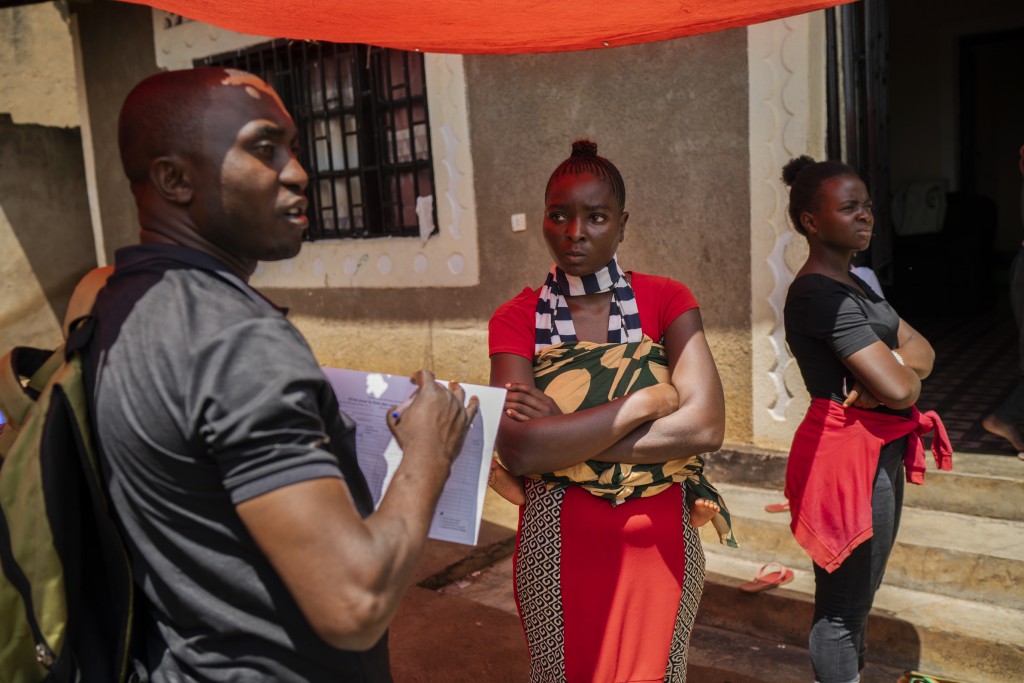
These considerations are highlighted through the example of the Partnership for Research on Ebola Vaccinations (PREVAC) trial, a randomised phase 2 double-blind vaccine trial evaluating the immunogenicity and the safety of 3 prophylactic vaccine strategies against Ebola. In this trial, healthy adult and children volunteers have been enrolled in Guinea and Liberia since March 2017, and in Sierra Leone and Mali, since May and July 2018, respectively; the trial is ongoing. Study personnel of the PREVAC trial comprise the clinical study site staff (local healthcare professionals working at the study site) and the community mobilisers; the latter were recruited based on a profile of community workers and community champions. Exemplary figures within their communities (e.g., football/soccer coach, nurse) were encouraged to apply for these positions because of their strong community involvement.
A review of the scientific and gray literature indicates that there are currently no regulations preventing a clinical investigator or site staff from participating in a trial. Thus, the main sources for the analysis in this article were the Declaration of Helsinki and the Belmont Report , International Ethical Guidelines for Biomedical Research Involving Human Subjects, and the Institutional Review Board Guidebook of the Office for Human Research Protections.
Some of the concerns to emerge:
- Respect: There is risk of direct or indirect undue influence because both clinical staff and community mobilisers may feel pressured to join the clinical trial due to the hierarchical relationship with the employer.
- Justice: The confidentiality of personal medical information, such as HIV test results, may be difficult to ensure among personnel.
- Methodological issues: For example, a potential risk relates to introducing differential behaviour of on-site staff as they obtain access to accumulating information during the trial (e.g., the incidence of adverse events). This could jeopardise blinding. This aspects wa considered more relevant for on-site staff than for community mobilisers.
Given these and other ethical and methodological concerns, the study team in Guinea decided not to enroll investigators or site staff as participants in the trial. As community mobilisers are prominent figures who are trusted within the community, and given that most of the methodological and ethical factors did not apply to them, the team allowed their enrollment in the trial under the following conditions: (i) Participation had to be voluntary and not related to the terms of employment; this fundamental principle had to always be well explained to the potential participants before consent was obtained. (ii) They had to meet the eligibility criteria and attend an information session, provide consent, and enroll in the participant tracking process. (iii) All site staff were reminded about their professional commitment to secrecy, especially pertaining to the confidentiality of medical information.
In October 2018, when the inclusion of participant in the PREVAC trial in Guinea ended, a total of 10 community mobilisers had been included in the trial, representing 13% of all community mobilisers working at Guinean sites.
Going forward, in light of the lack of specific references regarding the participation of study staff to a trial, the researchers suggest that regulatory authorities should consider making recommendations according to the study context. In the absence of specific rules, this matter should be addressed by the sponsor. As they indicate, measures to protect the rights of employee participants should be described before the implementation and be reviewed by an ethics committee; supervisors should not directly recruit subordinates for research participation, or an independent party could monitor the informed consent process.
In conclusion: "The enrollment of study personnel can play a key role in facilitating the enrollment of participants in a community trial and may provide potential personal benefits, especially in an epidemic context....In a non-epidemic context, methodological and ethical considerations suggest the need for increased caution....Our structured analysis provides a framework for the systematic examination of the specific pros and cons during the preparation and implementation of prophylactic vaccine trials."
Trials (2019) 20:422. https://doi.org/10.1186/s13063-019-3487-0. Image credit: Taiwan News
- Log in to post comments