
























Development action with informed and engaged societies

After nearly 28 years, The Communication Initiative (The CI) Global is entering a new chapter. 

Following a period of transition, the global website has been transferred to the University of the Witwatersrand (Wits) in South Africa, where it will be administered by the Social and Behaviour Change Communication Division. Wits' commitment to social change and justice makes it a trusted steward for The CI's legacy and future. 

On the transfer, co-founder Victoria Martin expressed her pleasure to see this work continue under Wits' leadership, knowing that co-founder Warren Feek (1953–2024) would have felt deep pride in The CI Global's Africa-led direction. 

As Wits, we honour the team and partners who sustained The CI for decades and look forward building from that strong base. This includes co-founders Warren Feek (1953-2024) and Victoria Martin as well as La Iniciativa de Comunicación (CILA), which continues independently at lainiciativadecomunicacion.com with links to The CI Global site. We are also eager to forge new partnerships and entertain new ideas as we consider how best to contribute to social and behaviour change in our rapidly evolving environment.

If you are joining the International Social and Behaviour Change Communication (SBCC) Summit in Panama, please join Wits and CILA on Monday, 22 June, to share your thoughts and suggestion for the relaunch of the Communication Initiative. We will be in Pacifica 5 from 12-1:25 for the Refuel, Reflect, and Renew Lunch Series: The Communication Initiative: celebrating a driving force for Communication for Social Change and the way forward. We will reflect on the legacy of Warren Feek and family in creating the Communication Initiative, consider the contributions of CI over the years and then turn our attention towards the future in this dynamic session. 

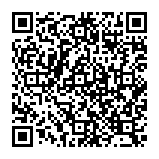
If you are unable to join us in Panama, we still want to hear from you. Please contribute your thoughts by following this link: https://redcap.link/CommunicationInitiative2026 or reaching out to ci_surveys@commint.com

You can also follow the QR Code:

 https://redcap.link/CommunicationInitiative2026

Time to read
1 minute
Read so far

A Guide to the Science of Climate Change Communication
0 comments
Image
SummaryText

This online resource is a workshop with information and practical exercises that are designed to enhance understanding of the science of climate change communication and to give participants confidence to apply this knowledge in practice with non-academic audiences. It is designed for all researchers across the physical, natural, and social sciences.

The workshop is built on nine different sections concerning climate change communication:

  • Section 1: Basic information - About the science of climate science communication
  • Section 2: Knowing your audience - Building rapport and trust with your audience
  • Section 3: Understanding how you are heard and finding your authentic voice - Treading the line between communication and advocacy
  • Section 4: Communicating uncertainty - Ensuring scientific uncertainty is not misinterpreted as ignorance
  • Section 5: Bringing climate change into here and now - Why psychological distancing is a problem, and what to do about it
  • Section 6: What's really driving public beliefs about climate change? - The role of values and worldviews in shaping responses to climate science
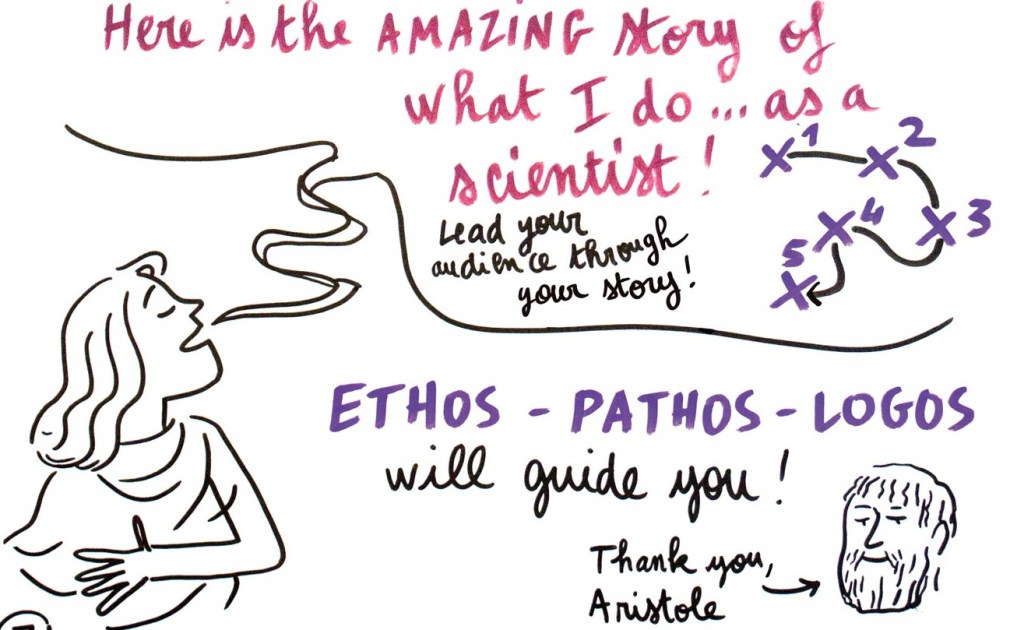
  • Section 7: Science and stories - How the 'narrative' structure helps people engage with scientific findings
  • Section 8: Do's and don'ts of effective science communication - Things to do and say to improve the effectiveness of your communication and things to avoid doing and saying
  • Section 9: Additional reading and references - A list of the research that forms the basis of the guidance offered here and additional resources and websites

The content draws on a series of workshops held with early career researchers in Europa and elsewhere between 2014-2017. The workshops were created and developed by Climate Outreach and the Tyndall Centre for Climate Change Research, as part of the European Union (EU)-funded Helix project.

Publication Date
Source

Sciences Switzerland website, February 1 2018. Image credit: Barbara Govin