










































Dhibcaha Nolosha (Drops for Life ): Can Radio Improve the Effectiveness of Polio Vaccination Campaigns?
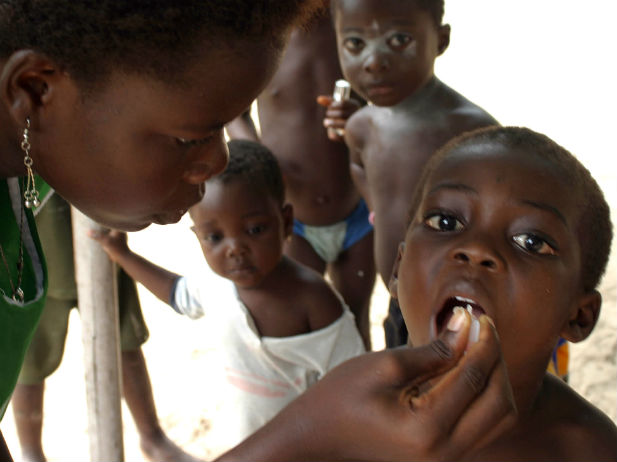
"I wouldn't have allowed those vaccinators with the medical jackets who knock on my door, to enter my home, if it were not for the programme." - Father, Galkayo
As described in this research brief from BBC Media Action and as explained in further detail in the Related Summaries, below, Dhibcaha Nolosha was a radio magazine/discussion programme that aimed to increase awareness of polio and to improve uptake of polio vaccination in Somalia. A total of 16 episodes of the BBC Media Action programme, which provided information, shared personal stories, and staged discussion sessions, were produced and broadcast between February and May 2014. The United Nations Children's Fund (UNICEF) had contracted BBC Media Action to produce a rapid mass media response in order to increase the demand for and uptake of its vaccination services in Somalia.
BBC Media Action conducted post-programme research to evaluate the extent to which the project achieved its objectives. The assessment was based on 30 focus group discussions (with 293 participants overall), held in key areas of the polio outbreak, including South Central Somalia. Further discussions were held separately with listeners, members of particular intended audiences (mothers, grandmothers, and fathers of children under five years of age, and health workers), as well as people not exposed to the programme.
It was found that: "Listeners from all regions attributed their increased awareness and understanding about polio and vaccination to the programme...[and] reported that the knowledge they acquired from the programme led them to change some of their traditional beliefs about polio." Furthermore, "many reported that listening to the programme encouraged them to take the vaccination or have their children vaccinated. Moreover, several listeners reported they had convinced their relatives or friends to get vaccinated, after listening to the programme."
The research brief examines aspects of Dhibcaha Nolosha that made a particularly strong impression on listeners:
- "Many listeners attributed their decision to get their children vaccinated to hearing emotionally-affecting stories of real children infected with polio on Dhibcaha Nolosha
- The belief that Islam is opposed to polio vaccination is a common barrier to vaccination uptake in Somalia. The fact that religious leaders supportive of vaccinations appeared on the programme was a key factor in building its credibility. The credibility attributed to the BBC was also a factor
- Whilst polio awareness campaigns are typically implemented in parallel with vaccination drives, Dhibcaha Nolosha provided information and encouraged learning ahead of the vaccination effort, allowing listeners to digest information in advance and making them more amenable to inviting polio vaccinators into their homes"
BBC Media Action found that health workers, who were not the primary intended audience of the project, reported using the programme "as a tool to better communicate with the communities they were working with." This finding might imply that "there is significant potential for similar programmes to support the work of health workers. This could be further developed in future projects by creating materials for vaccinators based on the programme."
Despite the relatively short duration of its broadcast, BBC Media Action concludes that the research results "reflect the importance of exposure to individual stories of illness, both as a driver of emotional response and as a stimulus to attitude and behavioural change. They also reflect the importance of authoritative and well-respected individuals challenging common beliefs that form barriers to recommended practices."
BBC Media Action website, accessed July 24 2015. Image credit: George Esiri/Courtesy REUTERS
- Log in to post comments