










































Wize up, Your Decision, Your Life Campaign - Zimbabwe
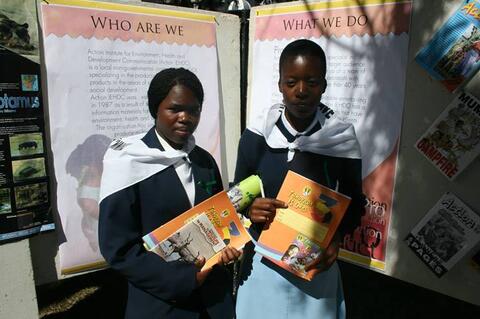
The overall goal of the intervention was to "contribute to the reduction of the burden of disease related to HIV and AIDS, and to the attainment of universal access to SRHR." Action Institute worked with community radio stations in 5 provinces to record and air the radio talk shows. Prior to the recordings, Action Institute facilitated an induction programme for community radio station presenters which focused on how to moderate talk shows. The presenters then became the moderators during the recordings of the talk shows in their areas. Each radio station also listened to and discussed the programmes within their radio listening groups.
In total, nine radio talk shows were produced (two for each of the five provinces except Masvingo where only one was recorded.) In each province one talk show was recorded with an urban community and the other with a rural community to give the programme a balance. For these community-based radio talk shows, a moderator/presenter facilitated the discussion between the panel of experts and the community. The panel consisted of members from various sectors including: Ministries of Gender and Women Affairs; Health; Child Welfare; Youth and Empowerment; Education, Arts, Sport and Culture; as well as a representative for people living with disabilities, the Zimbabwe National Family Planning Council, the National AIDS Council, the Young People's Network on SRHR/HIV and AIDS, and organisations from the various provinces that are involved in the National Behaviour Change programme.
The recorded programmes were also used as part of community dialogue discussions. These dialogues sought to increase the reach of the messages about SRHR and HIV and AIDS and were led by facilitators/peer educators. According to Action, this approach was chosen because "peer groups foster behavioural change in many ways, including providing social support, detailed information, local development of new norms and values that support HIV prevention, specific safer sex skills, and increased self-efficacy through rehearsal and role modelling." The facilitators received a package with a set of 9 recorded talk shows and the Community Dialogues Discussion Toolkit, which includes discussion guides, registers, and monthly feedback forms.
Sexual and reproductive health and rights, Youth
The project was informed by formative research which "identified service provision around SRHR, delaying sexual debut and communication between parents/guardians and young people as key areas that needed to be addressed by the intervention." This research found that "young people need information about sexual and reproductive health (sexuality and intimacy, contraceptive use for dual protection, safer sex, sexually transmitted infections) and where to obtain sexual and reproductive health services. They need skills and self-efficacy to be able to discuss and negotiate sex, contraception and condoms with partners, parents and other adults."
Action Institute for Environment, Health and Development Communication (IEHDC), Soul City Institute for Health and Development Communication
Action Institute Website and Community Dialogues Discussion Toolkit on April 8 2014.
- Log in to post comments