










































Translating Implementation Experiences and Lessons Learned From Polio Eradication Into a Global Health Course: Insights From an International Consortium
Johns Hopkins Bloomberg School of Public Health (Kalbarczyk, Closser, Rao, Alonge); University of Ibadan (Akinyemi); BRAC University (Anwar); University of Kinshasa School of Public Health (Mafuta); Indian Institute of Health Management Research (Majumdar)
"The scale of polio eradication, a global initiative that has been carried out in more than 200 countries..., has resulted in a wealth of experiences in varied contexts that can be adapted by other health initiatives."
The Synthesis and Translation of Research and Innovations from Polio Eradication (STRIPE) is a consortium of 8 institutions in Afghanistan, Bangladesh, the Democratic Republic of the Congo, Ethiopia, India, Indonesia, Nigeria, and the United States working to facilitate the active transfer of tacit knowledge from the polio eradication effort to global health actors, students, and other health initiatives, including those in low- and middle-income country (LMIC) contexts. This short report describes the collaborative process of developing content and curriculum for a global health course whose purpose is to share lessons learned from polio eradication through the lens of implementation science. In so doing, the report explores the learnings that emerged, the barriers faced, and recommendations for future similar efforts.
Developed by STRIPE with advice from a technical advisory committee (TAC) composed of various global stakeholders, the free, online, open-access global health course is organised under 10 knowledge domains (e.g., Health Communications and Behavior Change; Community Engagement; and Health Equity and Social Justice). Each knowledge domain teaches relevant core competencies in implementation science. Course materials (including recorded lectures (see one example, below) and corresponding PowerPoint slides) can be accessed on the STRIPE website and are freely available for use by instructors who wish to integrate this material into existing courses. The content has also been compiled as a set of 3 massive open online courses (MOOCs) that are hosted on the digital education platform FutureLearn. The names of these courses are: Planning and Managing Global Health Programs: Promoting Quality, Accountability, and Equity; Building Alliances in Global Health: From Global Institutions to Communities; and Collecting and Using Data for Disease Control and Global Health Decision-making. (Table 3 in the report provides links to access each MOOC in addition to a description, the core learning themes, and competencies addressed.)
Various parts of the course were developed by teams of researchers from countries across South Asia and sub-Saharan Africa; the majority of STRIPE consortium members currently hold academic positions. Organisers sought to achieve gender and geographical representation (i.e., members from both Asian and African countries) in each "teaching team". This process involved a series of regional in-person team meetings hosted in different countries to improve rapport and provide a chance for STRIPE personnel to work together, face to face. Thus, the course content reflects the diversity of team members' knowledge in a variety of contexts.
As reported here, the process of international collaboration across contexts facilitated diverse participation but was challenging in some ways. For example, issues arose around team coordination (e.g., scheduling across time zones), and the COVID-19 pandemic complicated matters. There were also hierarchies across and between countries that needed to be considered. Unique teaching styles, borne out of contextual experience, also complicated the effort to create cohesive content. For instance, some draft lecture materials were text-heavy, while others featured more imagery; some members were familiar with the development and use of teaching notes or case-based approaches, while others were not. The report also describes the way STRIPE dealt with some challenges - e.g., the MOOCs include both basic and advanced material so that less experienced learners have the background they need, while more experienced learners can access more in-depth information.
Recommendations for future collaborative efforts include:
- Consider, and plan for, hierarchies both between senior and junior faculty and between primary and sub-awardees at the outset.
- Hold in-person international meetings whenever possible, and invest in developing team rapport.
- Provide staffing support to execute the ideas of senior faculty throughout the process - from conceptualisation to curriculum design and to content development and delivery.
In conclusion: "Using international collaborations to develop educational materials is an excellent approach to obtaining a wealth of information, perspectives, and context."
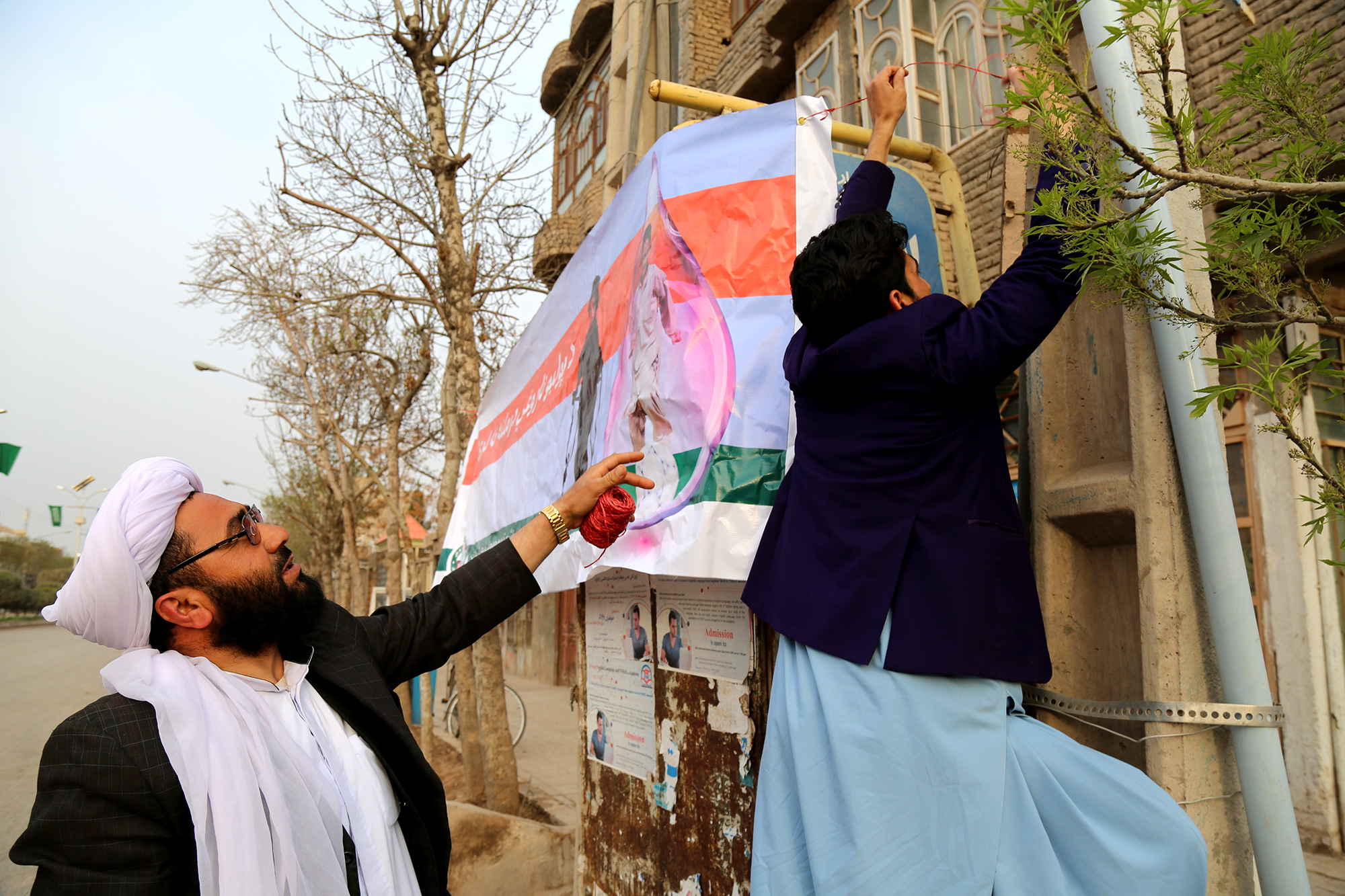
Global Health: Science and Practice July 2021, https://doi.org/10.9745/GHSP-D-20-00460. Image credit: Global Polio Eradication Initiative (GPEI).
- Log in to post comments