











































Stop TB Key Population Briefs
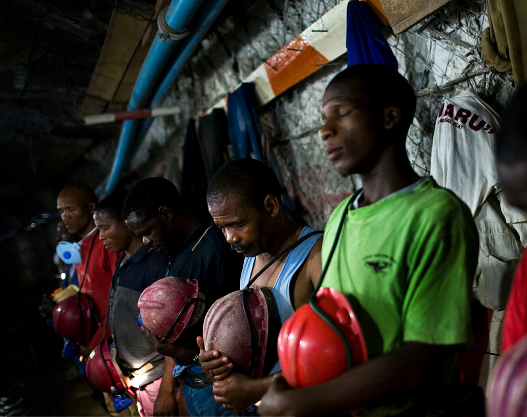
These Stop TB Key Population Briefs form part of the Stop TB Partnership's initiative to focus attention on key populations that face a range of barriers to access tuberculosis (TB) care and treatment. The briefs were developed in response to The Global Plan to End TB 2016-2020, which focuses on the needs of key populations, recognising that the world has a collective responsibility to protect vulnerable people from TB, to provide them with a cure and to involve them as key stakeholders in the fight against the disease. The Global Plan defines ‘key populations’ as people who are vulnerable, undeserved, or at-risk of TB infection and illness.
The briefs seek to support countries to identify their own specific key populations and develop interventions to meet their needs - specifically improved access to services, systematic screening, active new case-finding methods, and providing all people in need with effective and affordable diagnostics, treatment, and care. Programmes in countries are therefore encouraged to identify key populations at the national and sub-national level according to estimates of the risks faced, population size, particular barriers to assessing TB case, gender-related challenges, and are also encouraged to report on progress in TB with data that are dis-aggregated by key population.
The recommendations in the briefs are based on a meeting convened by the Stop TB Partnership in Bangkok in November 2015. Civil society, donors, technical agencies, people affected by TB and key populations, and others came together to make recommendations on what needs to be done in order to ensure that the needs of these groups are addressed. Since then, several experts and representatives of vulnerable groups worked and developed this compendium of micro briefs which gives practical guidance on how to address the needs and views of those most vulnerable to TB, who usually have very limited access to diagnosis, treatment, and care.
The following briefs have been developed:
- Key Populations Brief: Children
- Key Populations Brief: Miners
- Key Populations Brief: Mobile Populations
- Key Populations Brief: People who use Drugs
- Key Populations Brief: Prisoners
- Key Populations Brief: Rural Populations
- Key Populations Brief: Urban Populations
- Key Population Brief: People Living with HIV (latest addition to the Series)
- Key Population Brief: Health Care Workers (latest addition to the Series)
The briefs are structured according to some or all of the following topics:
- Epidemiological profile - focuses on the prevalence of TB within that key population.
- Structural Barriers to Treatment - these could be health systems related.
- Barrier in Laws, Policy and Practice - for example, lack of legislation and discriminatory policies.
- Sociocultural Barriers to Treatment - this could include stigma, or lack of knowledge.
- Taking Action - this can involve education and raising awareness of the issue related to a particular vulnerable group, as well as advocacy suggestions on behalf of that group.
- Recommendations - these include recommendations for civil society, community advocates and organisations representing the marginalised group, governments, and donors.
English, French, Russian and Spanish
Stop TB Partnership website on November 11 2016.
- Log in to post comments