

























Development action with informed and engaged societies

After nearly 28 years, The Communication Initiative (The CI) Global is entering a new chapter. 

Following a period of transition, the global website has been transferred to the University of the Witwatersrand (Wits) in South Africa, where it will be administered by the Social and Behaviour Change Communication Division. Wits' commitment to social change and justice makes it a trusted steward for The CI's legacy and future. 

On the transfer, co-founder Victoria Martin expressed her pleasure to see this work continue under Wits' leadership, knowing that co-founder Warren Feek (1953–2024) would have felt deep pride in The CI Global's Africa-led direction. 

As Wits, we honour the team and partners who sustained The CI for decades and look forward building from that strong base. This includes co-founders Warren Feek (1953-2024) and Victoria Martin as well as La Iniciativa de Comunicación (CILA), which continues independently at lainiciativadecomunicacion.com with links to The CI Global site. We are also eager to forge new partnerships and entertain new ideas as we consider how best to contribute to social and behaviour change in our rapidly evolving environment.

If you are joining the International Social and Behaviour Change Communication (SBCC) Summit in Panama, please join Wits and CILA on Monday, 22 June, to share your thoughts and suggestion for the relaunch of the Communication Initiative. We will be in Pacifica 5 from 12-1:25 for the Refuel, Reflect, and Renew Lunch Series: The Communication Initiative: celebrating a driving force for Communication for Social Change and the way forward. We will reflect on the legacy of Warren Feek and family in creating the Communication Initiative, consider the contributions of CI over the years and then turn our attention towards the future in this dynamic session. 

If you are unable to join us in Panama, we still want to hear from you. Please contribute your thoughts by following this link: https://redcap.link/CommunicationInitiative2026 or reaching out to ci_surveys@commint.com

You can also follow the QR Code:

 https://redcap.link/CommunicationInitiative2026

Time to read
1 minute
Read so far

Solar Mamas. ¿Son mejores las mujeres que los hombres para salir de la pobreza?

0 comments

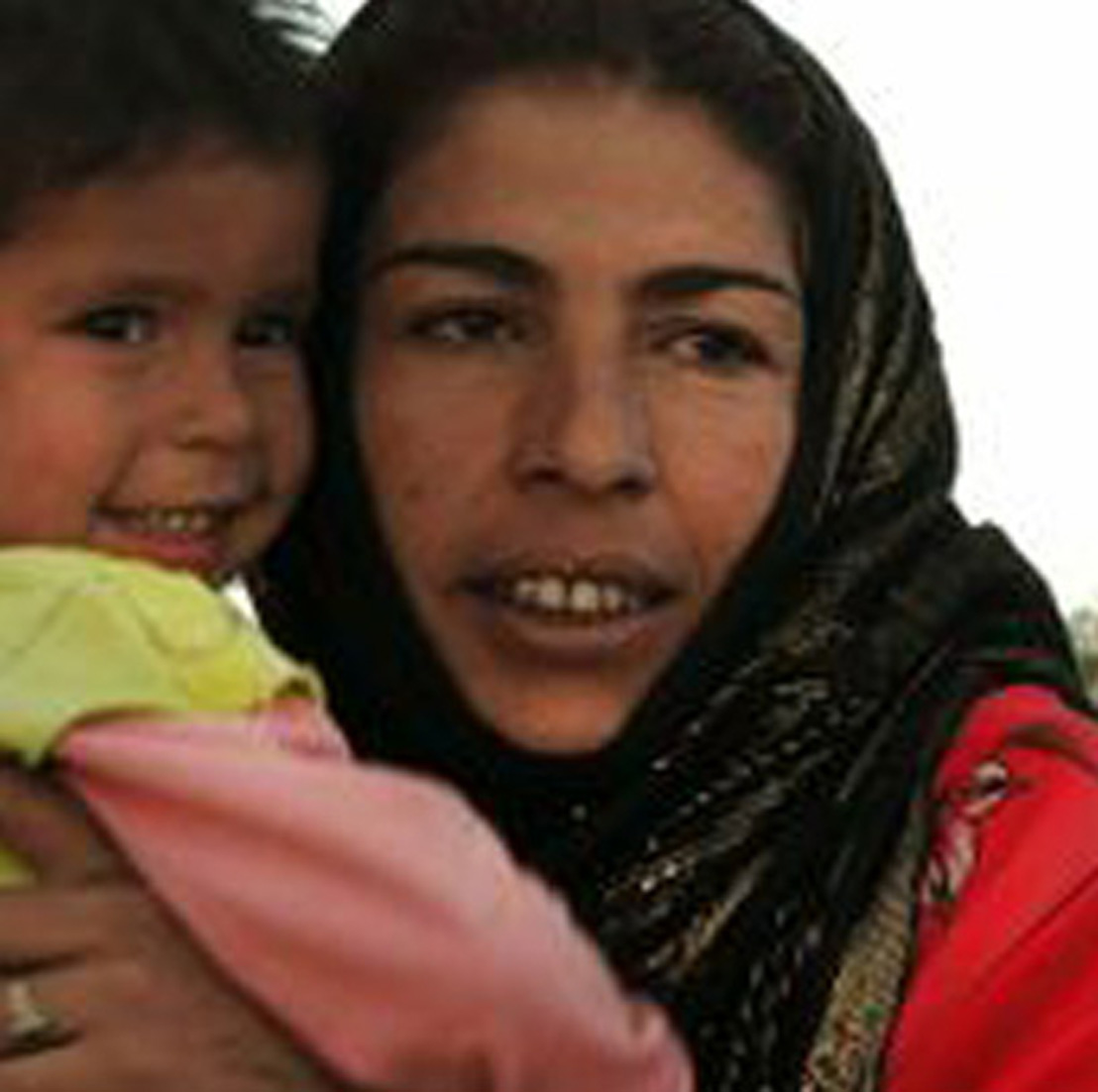
Este documental muestra los esfuerzos heróicos de una mujer por, literalmente, alumbrar su mundo. Rafea es beduina y vive en el desierto de Jordania. Con otras mujeres de mediana edad y de comunidades de escasos recursos de todo el mundo, tiene la oportunidad de vincularse al Barefoot College, una institución educativa donde se entrenan como ingenieras solares para llevar energía eléctrica y empleo a sus comunidades.

El documental muestra su vida en el campus y cómo, sin saber leer ni escribir y sin entender inglés, estas mujeres enfrentan el reto de aprender a manejar componentes eléctricos y soldaduras. Pero esa parece ser la parte más fácil. Rafea se ve forzada a arriesgarlo todo, incluso a sus hijas, debido a la presión de un esposo desempleado de mente patriarcal, que le exige volver a casa.

Solar Mamas hace parte de la campaña multimedia Why POVERTY? lanzada a nivel mundial en noviembre de 2012, para impulsar una reflexión alrededor de la pobreza. La campaña pretende alcanzar a más de 500 millones de personas alrededor del mundo, a través de la televisión, la radio, el internet y eventos en vivo.

WHY POVERTY? está conformada por ocho largometrajes de una hora, producidos por cineastas reconocidos a nivel mundial y emitidos por 70 estaciones de televisión. Y por treinta cortometrajes de 1 a 5 minutos disponibles en web.

WHY POVERTY? es un evento no comercial producido por Steps Internacional, una organización sin ánimo de lucro, registrada en Dinamarca y con oficinas en este país y en Sudáfrica. Es creada en conjunto con BBC y DR / Corporación Danesa de Canales de Televisión, quienes están liderando las transmisiones y son la fuerza motora del proyecto.
Opine sobre el tema

Length
60 minutos
Date Year of Production
Not specified
Source

Información enviada a La Iniciativa de Comunicación por Stpes Intenational, en noviembre de 2012.

Página web de Why Poverty.