











































Seeking Breakthroughs in SBC at the Intersection of Family Planning and Intimate Partner Violence - Expert Consultation Materials
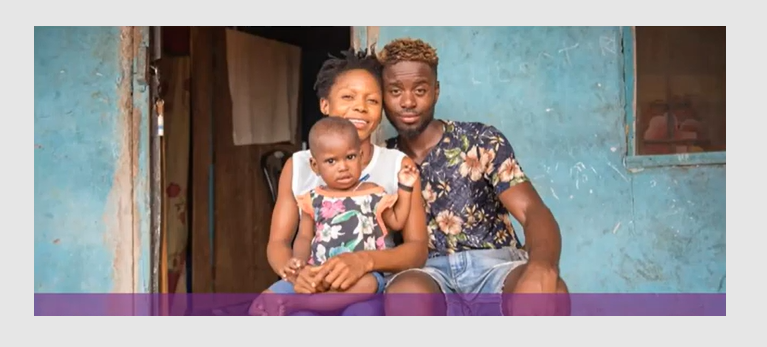
"As researchers and practitioners continue to learn more about the linkages between FP [family planning] and IPV [intimate partner violence] and how to leverage SBC [social and behaviour change] theories and approaches to address them, they must work together to strengthen the case for integration in order to improve health outcomes."
Intimate partner violence (IPV) can impact diverse family planning (FP) outcomes, including contraceptive preference, contraceptive uptake and continuation, reproductive autonomy, and unintended pregnancy. In February 2021, Breakthrough ACTION hosted an expert consultation to strengthen understanding of the linkages between FP and IPV, with consideration of influencing factors across the socio-ecological model and the life course. A variety of materials emerged from the consultation, including a technical brief, video recordings (a sample is below), and PowerPoint slides.
The consultation brought together over 40 subject matter experts in FP, gender-based violence (GBV), and social and behaviour change (SBC) representing more than 25 organisations around the world. During the consultation, participants:
- Reviewed context and available research: For example, studies show that the relationship between modern contraceptive use (i.e., overt and covert use) and experiences of violence is influenced by many factors, such as women's decision-making, women's and men's attitudes justifying wife-beating, and community attitudes justifying violence. Researchers point to the need for improved understanding and measurement of norms influencing FP and IPV outcomes across diverse contexts. You may be interested in available resources around: "Interconnections Between Intimate Partner Violence, Family Planning, and Gender Norms: Evidence from Multi-Country DHS Data"; "Intimate Partner Violence and Contraceptive Discontinuation in Kenya", and "Reproductive Coercion, Partner Violence, and Family Planning Use" (at URL below).
- Examined linkages between FP and IPV across the life course: Life course theory (LCT) illuminates the roles of: life-span development; agency; time and place; timing; and linked lives. LCT can allow researchers and practitioners to explore why, where, how, and when FP and IPV intersect and overlap, as well as who and what influences FP and IPV experiences and related priorities, needs, and preferences. You may be interested in available resources around: "A Life Course Understanding of Domestic and Intimate Partner Violence in Ghana", "The First-Time Parent LifeStage", and "Gender Norms as Health Harms: Reclaiming a Life Course Perspective on Reproductive Health and Rights (at URL below).
- Examined SBC theories and approaches that can be applied to integrated FP/IPV programming: Much of FP and/or IPV programming focuses on the individual, household, service delivery, and community levels. However, FP and IPV experiences are also shaped and influenced by factors at the societal or structural level, such as laws and policies. Some relevant social and structural theories and models are: the Social Determinants of Health Framework, Structuration Theory, Intersectionality, and the Theory of Gender and Power. You may be interested in available resources around: "The Role of Theory in Understanding and Responding to the Correlates of Family Planning and Intimate Partner Violence: Focus on Structural Theories", "Family Planning and Intimate Partner Violence Linkages: Gender Theories Shine the Light", and "Applying Theory to Practice: The Counseling Husbands and Wives to Achieve Reproductive Health and Marital Equity 2 (CHARM2) Intervention" (at URL below).
- Explored programmatic approaches that address FP and IPV in an integrated way across diverse contexts: Human-centred design (HCD), audience segmentation, and behavioural economics (BE) are among the strategies being used to:
- Break taboos and shift gender and other social norms through SBC approaches such as community engagement;
- Facilitate clear, strong links to healthcare and other social services;
- Focus on relationships at different levels of the socio-ecological model (e.g., between clients and healthcare providers), taking into consideration the life course;
- Use gender synchronisation to promote healthy, equitable relationships and balance power dynamics;
- Explore multi-sectoral links, such as education and economic empowerment; and
- Connect and build on programme strategies and activities in mutually reinforcing ways.
You may be interested in available resources around: "Improving Program Outcomes in Family Planning and Intimate Partner Violence Across the Life Course", "Integrating Gender-Based Violence and Health through Integrated Outreach: Cox's Bazar, Bangladesh", "SBC Spotlight: Human-Centered Design", "SBC Spotlight: Audience Segmentation", and "SBC Spotlight: Behavioral Economics" (at URL below).
- Underscored opportunities to further advance integrated FP/IPV research and practice, including the following sample recommendations:
- Coordination and engagement: Deepen partnerships with impacted individuals (e.g., survivors of IPV) with lived experience at the intersection of FP and IPV.
- Measurement: Improve identification and measurement of gender and other social norms related to FP and IPV.
- Research: Broaden and deepen understanding of multi-level drivers of FP/IPV linkages across the socio-ecological model and effective strategies to influence them.
- Implementation: Use SBC approaches such as HCD, audience segmentation, and BE, and share learnings on their application and impact.
Publishers
English, French, Spanish (main technical brief only)
14 (main technical brief)
Seeking Breakthroughs in SBC: Technical Brief [PDF] - sourced from Breakthrough ACTION Moments, Issue 15, August 2022. Image credit: Anjala Kanesathasan, Evidence to Action (E2A) project, from a consultation YouTube video
- Log in to post comments