










































School-based Violence Prevention: A Practical Handbook
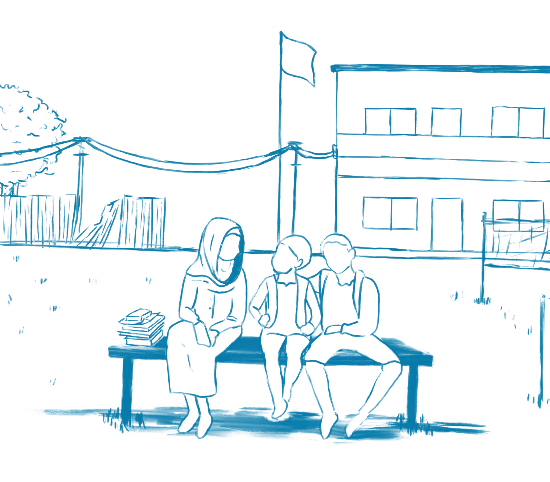
Being a victim of interpersonal violence in childhood has lifelong impacts on education, health, and well-being. Schools can be places to address this global problem, such as by challenging some of the harmful social and cultural norms that tolerate violence towards others (for example, gender-based violence, or GBV). Produced by the World Health Organization (WHO), with contributions from the United Nations Children's Fund (UNICEF) and the United Nations Educational, Scientific and Cultural Organization (UNESCO), this handbook includes a step-by-step guide for school officials and education authorities to implement a whole-school approach to violence prevention. It can be used as resource material among teachers, education authorities, civil society organisations, and other practitioners working in child welfare.
WHO points out that many of the life skills taught in violence prevention, such as communication, managing emotions, resolving conflicts and solving problems, are the same skills that can help children succeed in school and that can protect against other issues that affect learning, such as alcohol and drug use.
The following sections outline elements in establishing a comprehensive approach to violence prevention in schools:
- Section 1: Getting started: Develop leadership, school policies and coordination methods - e.g., make violence prevention an essential part of the day-to-day work of the school, and work towards building a school culture that does not tolerate violence.
- Section 2: Collect data on violence and monitor changes over time - e.g., carry out surveys to assess the extent of violence, where and when it takes place, the characteristics of those involved and perceptions of violence.
- Section 3: Prevent violence through curriculum-based activities, such as: developing children's life skills; teaching children about safe behaviour and protecting themselves from abuse; challenging and transforming social, cultural and gender norms that justify violence and promote equal relationships; and addressing key risk factors for violence (alcohol, drugs, low academic achievement).
- Section 4: Work with teachers on values and beliefs and train them in positive discipline and classroom management - e.g., integrate training in positive discipline and classroom management and social, cultural, and gender norms in pre-service training for teachers.
- Section 5: Respond to violence when it happens - e.g., strengthen safe and child-friendly reporting methods.
- Section 6: Review and adapt school buildings and grounds - e.g., involve students and staff in identifying hotspots for violence (including the way to and from school) and find practical solutions in these areas.
- Section 7: Involve parents in violence prevention activities - e.g., keep parents involved and informed about violence prevention activities and school policies on violent behaviour; distribute messages on how parents can support their child's learning; invite parents to sit on prevention coordinating committees; and create awareness among parents on how to recognise and ask appropriately about violence.
- Section 8: Involve the community in violence prevention activities - e.g., involve community members in school-based coordinating committees and developing school policies and codes of conduct.
- Section 9: Evaluate violence prevention activities and use the evidence to strengthen your approach - e.g., work with academic institutions or other partners to establish whether violence prevention activities work.
72
Innocenti Research Digest Adolescence, Issue 15, October 2019; and WHO website, November 1 2019.
- Log in to post comments