
























Development action with informed and engaged societies

After nearly 28 years, The Communication Initiative (The CI) Global is entering a new chapter. 

Following a period of transition, the global website has been transferred to the University of the Witwatersrand (Wits) in South Africa, where it will be administered by the Social and Behaviour Change Communication Division. Wits' commitment to social change and justice makes it a trusted steward for The CI's legacy and future. 

On the transfer, co-founder Victoria Martin expressed her pleasure to see this work continue under Wits' leadership, knowing that co-founder Warren Feek (1953–2024) would have felt deep pride in The CI Global's Africa-led direction. 

As Wits, we honour the team and partners who sustained The CI for decades and look forward building from that strong base. This includes co-founders Warren Feek (1953-2024) and Victoria Martin as well as La Iniciativa de Comunicación (CILA), which continues independently at lainiciativadecomunicacion.com with links to The CI Global site. We are also eager to forge new partnerships and entertain new ideas as we consider how best to contribute to social and behaviour change in our rapidly evolving environment.

If you are joining the International Social and Behaviour Change Communication (SBCC) Summit in Panama, please join Wits and CILA on Monday, 22 June, to share your thoughts and suggestion for the relaunch of the Communication Initiative. We will be in Pacifica 5 from 12-1:25 for the Refuel, Reflect, and Renew Lunch Series: The Communication Initiative: celebrating a driving force for Communication for Social Change and the way forward. We will reflect on the legacy of Warren Feek and family in creating the Communication Initiative, consider the contributions of CI over the years and then turn our attention towards the future in this dynamic session. 

If you are unable to join us in Panama, we still want to hear from you. Please contribute your thoughts by following this link: https://redcap.link/CommunicationInitiative2026 or reaching out to ci_surveys@commint.com

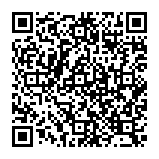
You can also follow the QR Code:

 https://redcap.link/CommunicationInitiative2026

Time to read
1 minute
Read so far

Reducing Stigma Through Home-based Care in Rural Zambia

0 comments
Date
Summary

Abstract

"Background: HIV-related stigma presents a significant barrier for people living with HIV/AIDS (PLHA) in accessing services and living positively, but research has been limited on ways to reduce it.

Methods: We investigated whether training youth to provide home-based care could affect community stigma in rural communities. We compared the effects of standard HIV prevention training to an enhanced curriculum that trained youth in providing care and support to PLHA. Stigma reduction campaigns were conducted in both areas with local groups and community leaders. Data collection methods included questionnaires and focus groups with youth and PLHA.

Results: At baseline, approximately 20% of youth in both study areas said that PLHA were treated badly by family members, neighbors, and other community members. Quantitative and qualitative results suggest declines in community stigma in the communities where youth received enhanced training in care and support. Youth reported that families responded well to their involvement in caregiving and became more willing to help PLHA with tasks that involve direct contact, such as bathing. PLHA focus group participants described decreased isolation, verbal abuse, and gossip after initiation of the youth caregiving program. At follow-up the proportion of youth caregiver survey respondents who reported that AIDS-affected families were treated worse than others dropped to 9% from 21% (p < 0.05); no similar change was recorded among youth who did not receive care and support training.

Conclusions: The data suggest that regular household visits to PLHA by enthusiastic youth caregivers combined with anti-stigma campaigns helped change negative attitudes and behaviors among families and communities."

Source

USAID HIV/AIDS E-Newsletter on December 21 2004.