











































Practising Our Faith Safely During a Pandemic: Resource Guides for Religious Leaders and Faith Communities
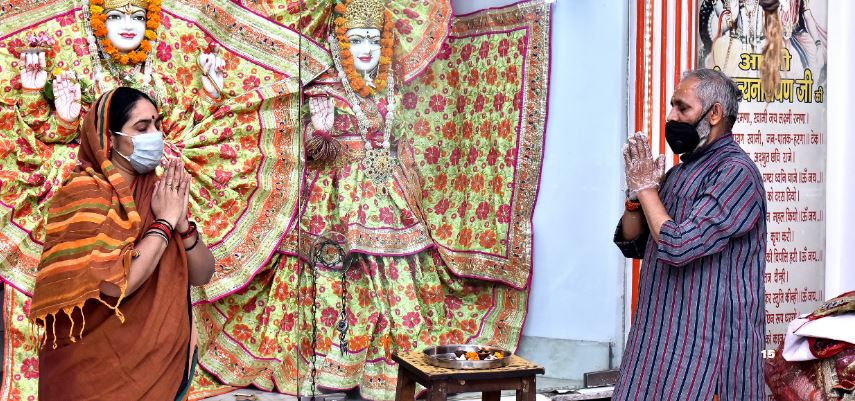
"During a global crisis people tend to turn to their religious leaders and faith communities for social, emotional, spiritual, and material support."
This package of thematic guidance documents has been prepared to guide religious leaders and faith communities on the key issues and actions they can take in preventing and addressing COVID-19 and its secondary effects. They have been designed for use, updating, and adaptation by religious leaders, faith communities, and faith-based organisations (FBOs) at country and community levels.
The series of guides is aligned with and is expected to support the achievement of the 7 objectives of the Multi-Religious Faith-in-Action COVID-19 Initiative. Launched in February 2020 under the rubric of the United Nations Children's Fund (UNICEF)'s Faith and Positive Change for Children (FPCC) initiative, Faith-in-Action is a partnership between UNICEF, Joint Learning Initiative on Faith and Local Communities (JLI), and Religions for Peace (RfP). Among the strategies these organisations to guide the religious community during the COVID-19 pandemic are: high-level advocacy at global, regional, and country levels; and generation and analysis of faith-related behavioural evidence to inform action - as evidenced in these guides (and the reference document prepared by JLI, available at Related Summaries, below).
The available guides include:
- Adapting How We Gather Together, Pray and Practise Rituals [PDF, 24 pages] - "National and global institutions, including religious, political, and health institutions, have put forward detailed guidelines for how we interact, congregate, worship and perform religious rites, including death and mourning rituals. Religious leaders use their authority and the trust and respect they command to promote these guidelines among their faith communities to ensure the continued safety and well-being of their communities."
- Communicating to End Misinformation, Discrimination and to Instill Hope [PDF, 20 pages] - "In the context of health outbreaks such as COVID-19, religious leaders...have an important role in tackling stigma and discrimination resulting from misinformation and from targeting specific individuals or groups of people associated with the disease. In order to carry out this important role, religious leaders need to equip themselves with a better understanding of some of the contributing factors and negative effects of misinformation, rumours, fear, hopelessness, stigma, and discrimination."
- Helping Those Who Are At Risk [PDF, 24 pages] - People such as the elderly, homeless, migrants, people with disabilities, pregnant women, and children may be at greater risk of complications and death due to COVID-19 and may be unable to practice the recommended preventative behaviours. "Religious leaders - through their position of trust - can establish valuable support and safety networks for these groups. They can also promote dialogue and action among communities to provide assistance and encourage values of solidarity, community and hope."
Each guide follows a similar structure, including: background on the Faith-in-Action initiative, acknowledgments, introduction to the particular issue at hand in the resource guide, discussion of what religious leaders and faith communities can do, relevant religious teachings/sacred texts, ideas for dialogue and action, additional resources, and a joint call to action, which entails:
- Religious practices: Adapt faith gatherings, rituals, and services to ensure the safety of worshippers and develop alternative pastoral approaches.
- Hygiene: Promote a heightened focus on handwashing, hygiene and sanitation.
- Active listening: Listen to the experiences, needs and hopes of children and families and provide support for inter-generational dialogue.
- Advocacy: Promote the inclusion of voices of faith and wider community engagement to inform local responses.
- Communication and inclusion: Tackle misinformation, rumours, stigma and discrimination associated with the disease.
- Active engagement: Engage networks of religious communities including faith-based women's and youth organisations in collaboration with local governance structures to provide organised voluntary services.
- Pastoral care: Provide further spiritual and emotional care and support to bring comfort and hope for parents, children, and the elderly.
- Parenting: Promote positive age and gender-specific parenting guidance and support to families, particularly the most vulnerable and the hardest to reach.
- Youth engagement: Practice youth-friendly communication and engagement including more systematic use of technology and social media during periods of physical distancing and beyond.
- Recovery: Provide support for recovery of social services.
Publishers
Email from Olivia Wilkinson to The Communication Initiative on June 30 2020. Image credit: Ashutosh Sharma
- Log in to post comments