










































Palu-Alafia Malaria Project
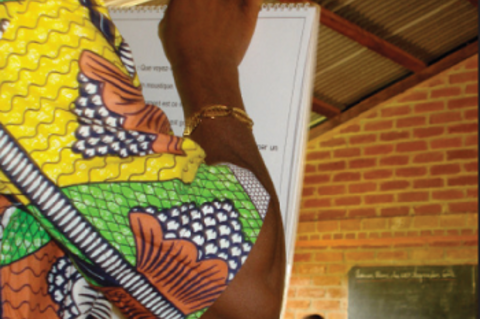
The project is working to scale up community-based treatment of fever/uncomplicated malaria among children under five in 14 health zones in Benin. The project aims to:
- reduce by 30% the level of morbidity and mortality in target populations through appropriate care at home for children under five;
- contract community-based organisations to provide care and raise awareness;
- strengthen the health system's capacity in the care of fever in the community; and
- improve people’s knowledge and behaviour with regard to prevention and care.
The main activities include procurement of artesunate (ACT) medications and organising distribution at the community level, complemented by training community workers and health agents in appropriate case management and sensitising mothers and caretakers of children under 5 in the early and appropriate management of malaria symptoms.
According to CRS, the project has 5 community facilitators covering 9 communes and 328 community-based organizations (CBOs) in the Atacora region. CBOs were identified based on how far they are from a health centre: hard-to-reach areas are the focus of the initiative. The CBOs are in charge of implementing the activities in their villages. Each CBO has identified 3 members who are trained to identify cases of fever, manage malaria cases at the village level, and refer severe malaria cases to the nearest health centre. They also received training to manage the malaria drug ACT and have received the drug from the project.
In Tora, the community has been running sessions to sensitise populations on the importance of cleanliness, ensuring pregnant women and children sleep under a mosquito net, weeding to reduce mosquito numbers, and closing doors and windows around 5 o’clock to prevent mosquitoes from getting into rooms. Each month, there are 3 ‘healthy days’ when the whole village is cleaned.
Malaria
According to CRS, the project has resulted in over 650,000 children under five years old being correctly treated for malaria and over 2.5 million caregivers learning about the signs of malaria and how to prevent and treat the illness. By developing a supply chain management system and working in collaboration with the Benin government, communities have been empowered to manage this disease. In 16 months of implementation, the project has trained 615 community organisation members, and equipped 283 with medical kits each containing 60 packets of ACT. 18,756 educational sessions have been organised.
Catholic Relief Services, Africare, Medical Care Development International (MCDI), the National Caritas of Benin, Plan International
Plan website on February 29 1 2012.
Comments

Thanks for sharing this
Thanks for sharing this useful information.
Regards...
Mathan
- Log in to post comments