










































Oxfam Research Guidelines
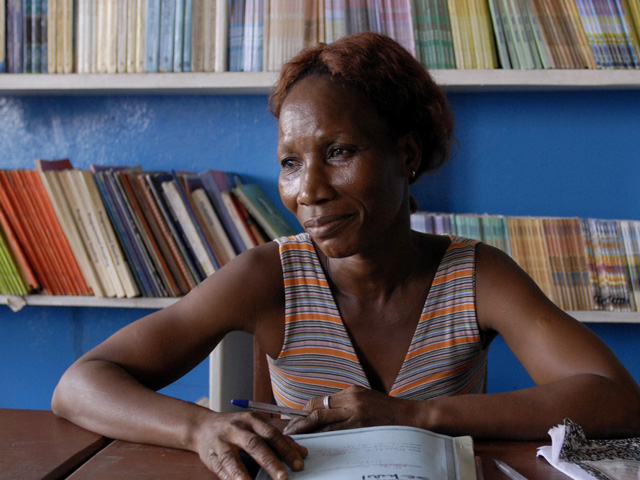
Research is an essential part of Oxfam's work. Our advocacy and campaigns have to be supported by reliable evidence and are developed with the help of research. Our humanitarian and development programmes are shaped by research, and we use research to evaluate their effectiveness and learn lessons from them.
In some cases we undertake this research ourselves; more often than not we do it in collaboration with our partners, or commission others to do it for us. In order to ensure that this research is of the highest quality, we provide training and other kinds of support to our staff and partners around the world who are engaged in planning, commissioning, managing, conducting, and analysing research, as well as to those who are involved in using and communicating the results of research. And this is where our research guidelines come in.
We began by writing research guidelines for our own staff and distributing them internally. Over time we realised that our partners also value them, and that they might be of much wider interest and use, especially in places where access to published guides to development research and research methodologies is limited.
That's why we've decided to make them available here to anyone who wants to learn about key aspects of the research process, including how to use and get the most out of different research methods. We're beginning with a small introductory set of guidelines, the titles of which are self-explanatory. We intend to keep on adding topics, filling the gaps, introducing new subjects, and updating the existing guidelines when we can. The guidelines reflect Oxfam's practical know-how, and our recognition of the importance of both analytical rigour and the need to bring human voices and experiences to the fore.
With this in mind, we'd love to hear your own experiences of development research, and welcome comments and suggestions for the research guidelines.
List of Research Guidelines
- Writing Terms of Reference for Research (accompanied by our own TOR template)
- Undertaking Research with Ethics
- Reviewing the Existing Literature
- Conducting Semi-structured Interviews
- Researching Human Interest Stories
- Creating Killer Facts and Graphics
- Writing for Impact - Lessons from Journalism
- Oxfam Style Guide for Notes, References, and Bibliographies
By Catherine Meredith
Click here for the Oxfam Policy and Practice website.
- Log in to post comments