











































Guide for Promoting Sexual and Reproductive Health Products and Services for Men
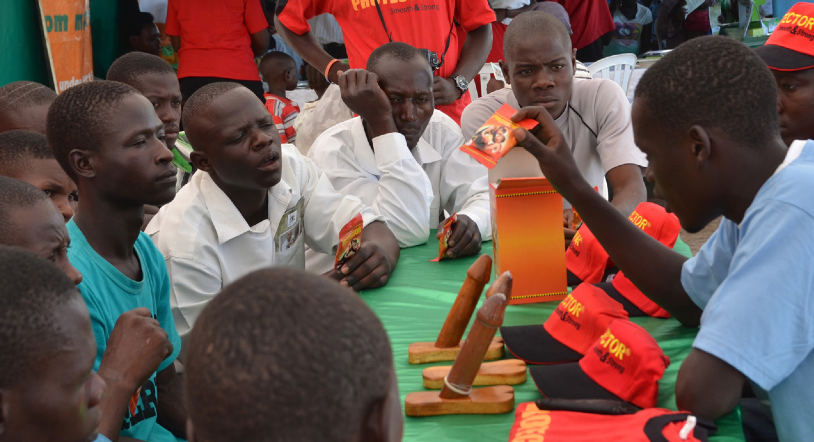
This publication provides guidance and recommendations for developing evidence-informed social and behavior change (SBC) interventions and activities to increase men’s demand for and utilisation of sexual and reproductive health (SRH) products and services. The Guide highlights lessons learned, best practices, and key insights from programmatic experience in the promotion of a variety of SRH products and services such as male condoms, vasectomy, voluntary medical male circumcision (VMMC), human immunodeficiency virus (HIV) testing and treatment, and sexually transmitted infection (STI) testing and treatment services for men. It looks at how programmes have used a variety of SBC approaches to, for example, successfully address harmful social and gender norms, which have traditionally excluded men from fully participating in their SRH care; address beliefs and misinformation; and build social support for men’s use of SRH products and services.
Some of the key considerations discussed in the Guide for developing SBC strategies and activities for increasing men’s SRH include:
- Developing an SBC strategy;
- Developing a deeper understanding of audiences;
- Segmenting audiences for better messaging;
- Tailoring messages to the life stages of men;
- Engaging women as partners and mothers;
- Promoting couples communication;
- Using gender transformative programming;
- Utilising peer educators and mentors;
- Engaging community and religious leaders;
- Using technology: mobile health (mHealth), hotlines and social media;
- Providing high-quality comprehensive counselling;
- Branding SRH products and services for men;
- Using client testimonials and engage male champions; and
- Considering the timings and design of communication campaigns
The Guide is intended for programme managers and communication professionals seeking to reach men in low- and middle-income countries (LMIC) with SRH information, messages, products, and services. It can also be useful for staff from ministries of health (MOH), non-governmental organisations (NGOs) and community-based organisations (CBOs) who seek guidance and examples to support their work to reach and engage men as users of SRH products and services.
The Guide is organised into four sections:
Section 1: Overview of SRH Products and Services for Men: An examination of why the Guide focuses on engaging men as users of SRH products and services, and an overview of SRH products and services for men.
Section 2: Influencing Behavior to Increase the Utilization of SRH Products and Services by Men: An overview of the multiple levels that influence men’s use of SRH products and services, and the role SBC plays across the SRH continuum of care – getting men to products and services, improving the client experience during service delivery and product purchase, and supporting behavioral maintenance after service delivery or product purchase.
Section 3: Key Considerations for Increasing Utilization of SRH Products and Services by Men: A summary of key considerations, lessons learned and emerging practices that should be considered when designing future SBC programs to increase men’s demand for and utilization of SRH products and services.
Section 4: Resources and Tools: Links to resources, additional guidance and useful tools to assist in the development of strategic SBC promoting SRH products and services for men.
English
85
HC3 website on June 28 2017.
- Log in to post comments