











































Gender and Media Resource Guide
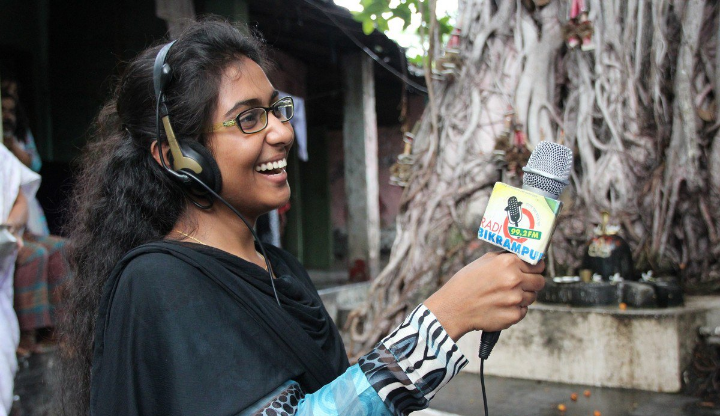
"Media play an essential role in working towards gender equality in society."
Developed by Free Press Unlimited, this online resource guide offers a repository of information to promote gender equality in and through media. As stated in the guide, "Gender inequalities that are present across many aspects of society are reflected in the media. Media can perpetuate gender inequalities, but also have the power to address and challenge them. There is an enormous potential for media to show more balanced, inclusive and diverse portrayals of gender, thereby contributing to a more just society." In this light, the guide explores the relationships between gender and media and the role media practitioners and organisations can play in working towards gender equality.
The guide is divided into an introductory section and 4 themed sections, each of which offers practical tools and background information about gender and media, as well as examples of successful approaches. The sections are:
- Gender and media - This section provides an introduction to some key concepts underlying the guide, answering the following questions: What are sex and gender? What is gender equality? And what is the role of media in gender equality?
- Gender equality in media content - As stated in the guide, "worldwide, women are underrepresented in media and often portrayed in stereotypical ways. There is an enormous potential for media to show a wider variety of roles and behaviors of people of all genders, thereby challenging gender inequalities and expanding the range of people society looks up to as role models." This section offers information on different strategies to promote gender equality in media content. These include gender-sensitive reporting, increasing women's voices, and media content monitoring.
- Gender equality in the media sector - As stated in this section, "Gender inequality is clearly visible in the media sector and journalism profession. Women are usually a minority in media organisations, especially in high-level and decision-making positions. Women journalists face unique barriers and safety risks." This section offers information on different strategies related to gender in the media sector. Issues covered include gender equality in the workplace, skills and leadership of women journalists, and the safety of women journalists.
- Campaigning and advocacy - "Campaigning and advocacy are crucial to achieving the legislative and policy environments necessary for gender equality in the media." This section offers information about different mechanisms and movements being used around the world, including the Media 4 Women campaign and international mechanisms.
- Gender mainstreaming - As stated in this section, "When working on a media development project, it is crucial to mainstream gender within its design, implementation and evaluation. Gender mainstreaming ensures that programmes are of higher quality, are more effective and do not perpetuate gender inequalities." This section offers information on how gender mainstreaming can address the concerns and needs of both men and women within every stage of the project cycle. The different project stages covered include gender analysis, planning, implementation, and evaluation and learning.
Content can be filtered by year of publication, country, authors/publishers, and type of document. Types of document include academic papers, briefs, case studies, research reports, and evaluations.
Publishers
Knowledge and Quality website of Free Press Unlimited on May 28 2020. Image credit: Free Press Unlimited
- Log in to post comments