











































Gender and Diversity: IFRC
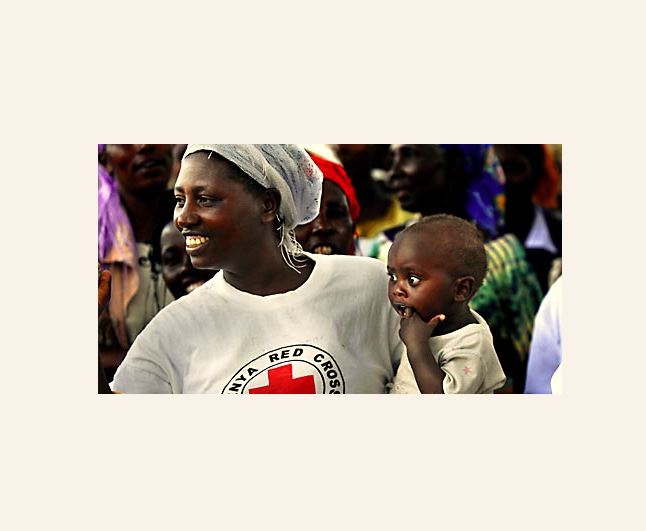
"By promoting the integration of gender considerations and respect for differences as enriching elements of any community, we promote progress towards equality. Gender interacts with other forms of diversity creating important interrelationships between discrimination on the basis of gender and discrimination on the basis of other forms of diversity."
From the International Federation of Red Cross and Red Crescent Societies (IFRC) this online resource describes and gives access to IFRC policies and assessment tools on gender and diversity. The opening page defines gender and diversity, links to: the IFRC “Strategic Framework on Gender and Diversity Issues,” an explanatory note on the frameworks, "IFRC Strategy on Violence Prevention, Mitigation and Response 2010–2020", and and lists the following three outcomes that form the basis for operationalising the framework:
"Outcome 1: Systematic incorporation of gender and diversity in all programmes, services and tools.
Outcome 2: Improved gender and diversity composition at all levels.
Outcome 3: Reduced gender- and diversity-based inequality, discrimination and violence."
The right hand navigation bar lists related documents such as: "Focus on gender and diversity in disaster risk reduction"; and the "Minimum Standard Commitments" in Russian, French, Spanish, English, and Arabic.
The "Gender and Diversity Organisational Assessment Toolkit" at the bottom of the right hand navigation bar is a link to PDFs that include:
- Book 1: The introductory document of the toolkit which gives the background, purpose, intended users, and the structure of the tool in a step-by step guide of 5 themes from page 8-16, including: political will and leadership; organisational culture; resources and capacities; programme delivery and implementation; and accountability
- Book 2: Conducting the Assessment and Analysis includes: I. Preparations and approval for assessment; II. How to conduct the assessment; III. Gathering the information; and IV. Analysing and interpreting findings. The methodology includes: document review, individual interviews, and focus group discussions from which quantitative and qualitative analyses are done.
- Book 3: Recommendations and Plan of Action includes:V. Making recommendations; VI. Developing a Plan of Action; and Annexes
- And a "pull out" document that is a scorecard which summarises the themes and points for assessment in a short format.
IFRC Library website, February 10 2017.
- Log in to post comments