











































Framework for Equitable Allocation of COVID-19 Vaccine
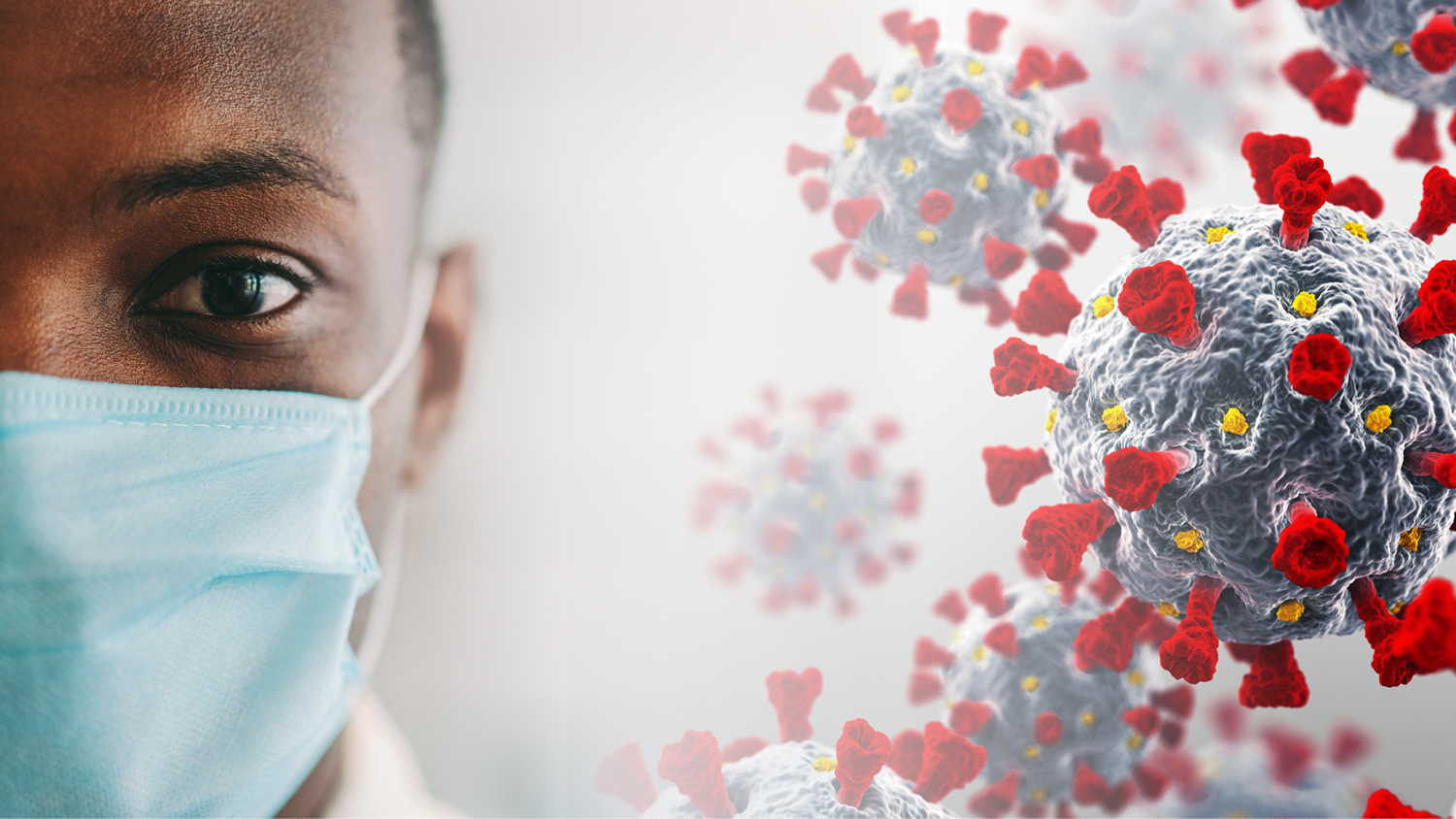
"Inequities in health have always existed, but at this moment there is an awakening to the power of racism, poverty, and bias in amplifying the health and economic pain and hardship imposed by this pandemic." - Study committee co-chair Helene Gayle, president and CEO of the Chicago Community Trust
In response to the COVID-19 pandemic, the United States (US) and international communities have worked quickly in an attempt to develop a safe and effective vaccine. After its release, for the initial period when vaccine demand exceeds supply, the US Centers for Disease Control and Prevention (CDC) and the National Institutes of Health (NIH) asked the National Academies of Sciences, Engineering, and Medicine to convene an ad hoc committee consisting of representatives from the US Department of Health and Human Services (HHS) and state, tribal, local, and territorial (STLT) authorities, among others. This committee conducted a study and wrote a report recommending a 4-phased approach to equitable vaccine allocation. It also discusses implementation considerations related to coordination, cost, risk communication and community engagement (RCCE), vaccine acceptance, and global allocation.
The committee developed 3 foundational ethical principles (maximum benefit, equal concern, and mitigation of health inequities) and 3 procedural principles (fairness, transparency, and evidence-based). To put these principles into practice, the committee used 4 risk-based criteria to set general priorities among various population groups to allocate the vaccine within the framework. The criteria include the risk of acquiring infection, risk of severe morbidity and mortality, risk of negative societal impact, and risk of transmitting infection to others.
For each group included in each of the 4 phases, the committee recommends that STLTs ensure that special efforts are made to deliver vaccine to residents of high-vulnerability areas by using the CDC's Social Vulnerability Index or another more specific index such as the COVID-19 Community Vulnerability Index. This would incorporate the variables that the committee believes are most linked to the disproportionate impact of COVID-19 on people of colour in the US. Much of the increased risk of COVID-19 among Black, Hispanic or Latinx, American Indian and Alaska Native, Native Hawaiian and Pacific Islander communities, and others is tied to social risk and structural inequality, e.g., disproportionate representation in high-risk jobs in essential industries.
The process of creating the report involved: an iterative review of current and relevant literature; 8 virtual committee meetings held between mid-July and September 2020; 3 public meetings, including one workshop and a public listening session; and release of a discussion draft and overlapping 4-day public comment period. The final draft incorporates revisions from public comment and National Academies peer review process. Appendix A of the report describes how public comments were considered.
Contents include:
- Chapter 1: Introduction
- Chapter 2: Lessons Learned from Other Allocation Efforts
- Chapter 3: A Framework for Equitable Allocation of COVID-19 Vaccine
- Chapter 4: Applying the Framework for Equitable Allocation of COVID-19 Vaccine in Various Scenarios
- Chapter 5: Administering and Implementing an Effective and Equitable National COVID-19 Vaccination Program
- Chapter 6: Risk Communication and Community Engagement
- Chapter 7: Achieving Acceptance of COVID-19 Vaccine
- Chapter 8: Ensuring Equity in COVID-19 Vaccine Allocation Globally
- Appendices
Among the communication elements stressed: Coordinated, evidence-based RCCE are essential to COVID-19 vaccination strategies, and they should feature continuous engagement across multiple channels, timeliness, and trustworthiness. These efforts should begin immediately in order to foster community trust in any vaccine allocation plan. To that end, the committee recommends that HHS should create and appropriately fund a COVID-19 vaccination RCCE programme to support STLT authorities that:
- Ensures public understanding of the foundational principles, procedures, expected outcomes, and performance of vaccination efforts, including changes in response to research, experience, and public input.
- Is informed by the concerns and beliefs, as revealed by surveys, news media, public discourse, and social media channels, with special attention to information gaps and misinformation.
- Supports STLTs in their engagement and partnership with diverse community-based organisations (CBOs), local stakeholders, and others to provide two-way communication with their constituencies such that they can hear public concerns and deliver messages from trusted sources in an accessible way.
- Is grounded on scientific foundations, incorporating the expertise of individuals with the cultural competency to hear and speak to diverse communities that have a stake in successful vaccination efforts.
- Relies on transparent, trustworthy assessments of vaccine safety and efficacy, as reviewed by the federal government and independent external scientists.
As the committee notes, vaccine hesitancy is common in the US and is on the rise, with prominent anti-vaccine messaging and concerns about the speed of COVID-19 vaccine development contributing to this skepticism. Particularly for minority communities, histories of medical research exploitation fuel understandable skepticism of vaccination. However, there is no "one size fits all" solution to vaccine hesitancy, and addressing it will require a combination of interventions, including the engagement of community leaders, mass media campaigns, healthcare professional training, and behavioural and social sciences research. The committee recommends that the CDC rapidly develops and launches a national, branded, multi-dimensional COVID-19 vaccine promotion campaign, using rigorous, evidence-informed risk and health communication, social marketing, and behavioural science techniques. Such a campaign should:
- Be consistent in its messaging but also flexible and modular to allow STLT authorities to tailor it to specific communities and audiences.
- Partner with diverse stakeholders (e.g., healthcare providers, Historically Black Colleges and Universities (HBCU) research centres, Hispanic Association of Colleges and Universities, Tribal Colleges and Universities research centres, social marketing firms, and other groups with specific expertise reaching underserved communities), and prioritise promoting the vaccine to Black, Hispanic or Latinx, American Indian and Alaska Native, Hawaiian Native and Pacific Islander, and other communities in which vaccine hesitancy and skepticism have been documented.
- Engage thought and opinion leaders, such as celebrities, to help promote COVID-19 vaccination acceptance and uptake.
- Incorporate messaging (in a variety of languages) and graphical elements that increase motivation, counter misinformation, and overcome perceived or actual practical barriers to vaccination.
- Include print, radio, television, and social media formats; incorporate toolkits, educational materials, and guidebooks to support community discussion about the COVID-19 vaccine; and make materials available in multiple languages.
- Be incorporated into broader messaging that provides consistent information on COVID-19 public health strategies that include: nonpharmaceutical interventions, such as mask usage, physical distancing, and hand washing; expanded and accessible diagnostic testing linked to contact tracing, isolation, and quarantine strategies; and the deployment of therapeutic measures.
To build such a campaign, the CDC and NIH are advised to rapidly build an evidence base for effective strategies for COVID-19 vaccine promotion and acceptance by supporting innovation in vaccine promotion at STLT levels and among CBOs through existing and expanded programme grant mechanisms, including CDC's existing Vaccinate with Confidence programmes. Advancing the science of COVID-19 vaccine acceptance may be facilitated through grants that:
- Foster partnership among research entities, public health agencies, and CBOs;
- Evaluate existing or novel theory-driven strategies and interventions to decrease COVID-19 vaccine hesitancy, increase COVID-19 vaccine uptake, and eliminate social, cultural, logistic, and legal barriers to COVID-19 vaccination in focal populations; and
- Support research grounded in diverse theoretical and methodological approaches, with an emphasis on novel approaches and data sources.
Other recommendations: Leverage and expand the use of existing systems, structures, and partnerships across all levels of government and provide the necessary resources to ensure equitable allocation, distribution, and administration of COVID-19 vaccine; provide and administer COVID-19 vaccine with no out-of-pocket costs for those being vaccinated; and support equitable allocation of COVID-19 vaccine globally.
Publishers
260
National Academies of Sciences, Engineering, and Medicine 2020. Framework for Equitable Allocation of COVID-19 Vaccine. Washington, DC: The National Academies Press. https://doi.org/10.17226/25917 - sourced from IAC Express #1,520, October 7 2020; and "National Academies Release Framework for Equitable Allocation of a COVID-19 Vaccine for Adoption by HHS, State, Tribal, Local, and Territorial Authorities", October 2 2020 press release - accessed on October 13 2020. Image credit: National Academies of Sciences, Engineering, and Medicine
- Log in to post comments